
BPH Decongestant Safety Checker
How Risky Is Your Decongestant Use?
This tool calculates your risk of urinary retention based on your BPH symptoms, age, and medication use.
If you’re a man over 50 with an enlarged prostate, taking a common cold medicine could land you in the emergency room. It’s not a myth. It’s not rare. It’s a well-documented, preventable medical risk that thousands of men face every year - and most have no idea it’s happening.
What Is Benign Prostatic Hyperplasia (BPH)?
Benign Prostatic Hyperplasia, or BPH, is when the prostate gland grows larger as men age. It’s not cancer. It’s not dangerous in the way tumors are. But it can make urinating a daily struggle. By age 60, about half of all men have some degree of prostate enlargement. By 85, that number jumps to nearly 90%. The prostate wraps around the urethra - the tube that carries urine out of the bladder. When it swells, it squeezes that tube shut. That’s why men with BPH often feel like they can’t fully empty their bladder, need to pee frequently at night, or have to strain to start urinating.
These symptoms are measured using the International Prostate Symptom Score (IPSS). A score below 8 means mild symptoms. Between 8 and 19 is moderate. Above 20 is severe. And here’s the thing: even mild BPH can turn dangerous if you take the wrong medicine.
Why Decongestants Are Dangerous for Men with BPH
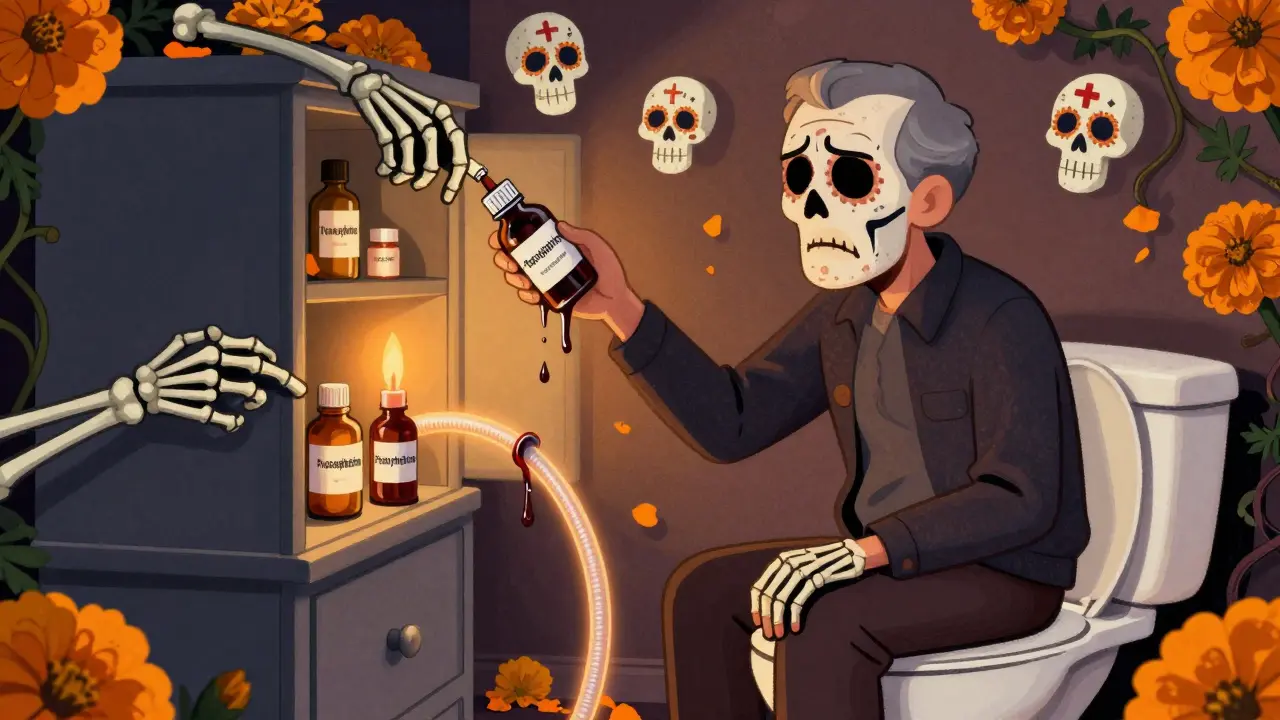
Decongestants like pseudoephedrine (found in Sudafed) and phenylephrine (in many store-brand cold pills) are designed to shrink swollen nasal passages. They do this by tightening blood vessels - and that’s exactly the problem. The same receptors in your nose that respond to these drugs are also packed throughout your prostate and bladder neck. When you take a decongestant, it doesn’t just clear your nose. It also causes the smooth muscle in your prostate to contract, squeezing the urethra even tighter.
Studies show this increases resistance in the urethra by 35-40%. For a man with BPH, that’s like turning a garden hose into a straw. One 2021 study in the Journal of Urology found that men with BPH who took pseudoephedrine were 2.8 times more likely to develop acute urinary retention - the sudden, painful inability to urinate at all. That’s not a small risk. That’s a medical emergency.
Acute urinary retention doesn’t just mean discomfort. It means your bladder fills until it’s painfully distended. You feel the urge but can’t release a single drop. Most men need a catheter inserted for 2-3 days. Some end up in the hospital. And the worst part? It often happens after just one dose.
Pseudoephedrine vs. Phenylephrine: Which Is Worse?
Not all decongestants are created equal. Pseudoephedrine is the worst offender. It’s highly absorbed into the bloodstream, lasts 12-16 hours, and has been shown to increase urinary flow resistance by 27% in men over 50 with BPH. A 2022 meta-analysis found it raises the odds of urinary retention by 3.45 times compared to men who don’t take it.
Phenylephrine, often marketed as a “safer” alternative, isn’t much better. It’s less potent, but still increases urethral resistance by 15-20%. And here’s the twist: many over-the-counter products now use phenylephrine because pseudoephedrine is kept behind the pharmacy counter. But don’t be fooled. The American Urological Association still lists phenylephrine as a high-risk medication for men with BPH.
Even nasal sprays like oxymetazoline (Afrin) aren’t completely safe - though they carry less risk because they’re absorbed minimally into the blood. Still, using them for more than 3 days can cause rebound congestion, and there’s no reason to risk it when safer options exist.
Who’s at the Highest Risk?
Age matters. Men over 70 with moderate to severe BPH (IPSS >12) face the greatest danger. A 2016 NIH study found that 51.8% of men over 70 who took pseudoephedrine developed subclinical voiding dysfunction - meaning their urinary symptoms worsened even if they didn’t fully stop peeing. For men under 50 with mild BPH, the risk is lower, but it’s still there.
It’s not just about age or symptom severity. Genetics, other medications, and even hydration levels play a role. One man might take Sudafed every winter for 20 years and never have an issue. Another might take one 30mg pill and end up catheterized. That’s why experts say: don’t test your luck.
What Alternatives Actually Work?
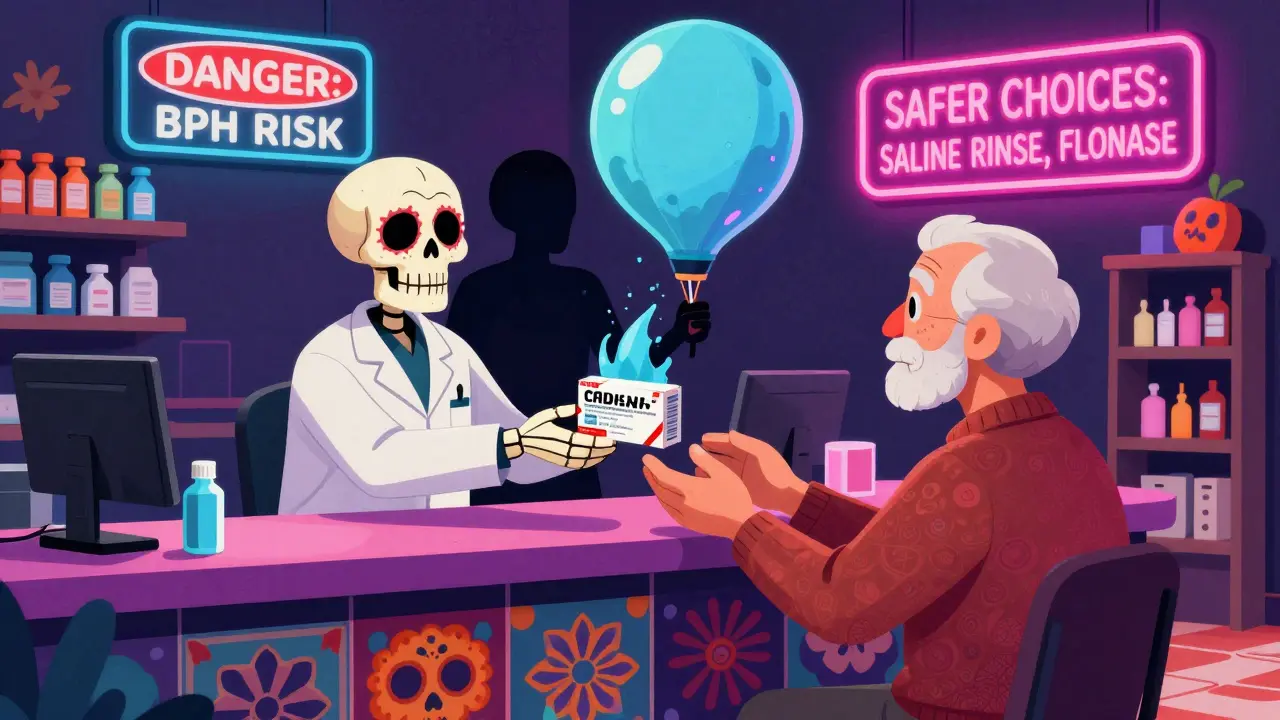
You don’t have to suffer through congestion just because you have BPH. Here’s what works - without putting your bladder at risk:
- Saline nasal irrigation: Using a neti pot or NeilMed Sinus Rinse flushes out mucus and allergens. A 2022 Cochrane Review found it helps 68% of users with no side effects.
- Intranasal corticosteroids: Fluticasone (Flonase) or mometasone (Nasonex) reduce inflammation in the nasal passages. Studies show 72% effectiveness with zero urinary impact.
- Non-sedating antihistamines: Loratadine (Claritin) or cetirizine (Zyrtec) help with allergy-related congestion. They carry a low risk (OR: 1.35) compared to diphenhydramine (Benadryl), which has an odds ratio of 2.85 for urinary retention.
- Steam inhalation and humidifiers: Simple, free, and effective for temporary relief.
On Amazon, 82% of users who tried NeilMed Sinus Rinse rated it “very effective” - and none reported urinary problems. That’s the kind of data you can trust.
When Is It Okay to Use a Decongestant?
Some urologists say there’s a narrow window where low-dose pseudoephedrine might be okay. Dr. Roger Dmochowski from Vanderbilt says men with mild BPH (IPSS <8) might tolerate a single 30mg dose - but only if they’re under a doctor’s supervision and have already started an alpha-blocker like tamsulosin.
Here’s the protocol that works: If you absolutely must take pseudoephedrine, start tamsulosin 0.4mg at least 72 hours before. A 2022 Cleveland Clinic study showed this combo reduced urinary retention risk by 85%. But this isn’t a DIY solution. It requires a prescription, monitoring, and a conversation with your doctor.
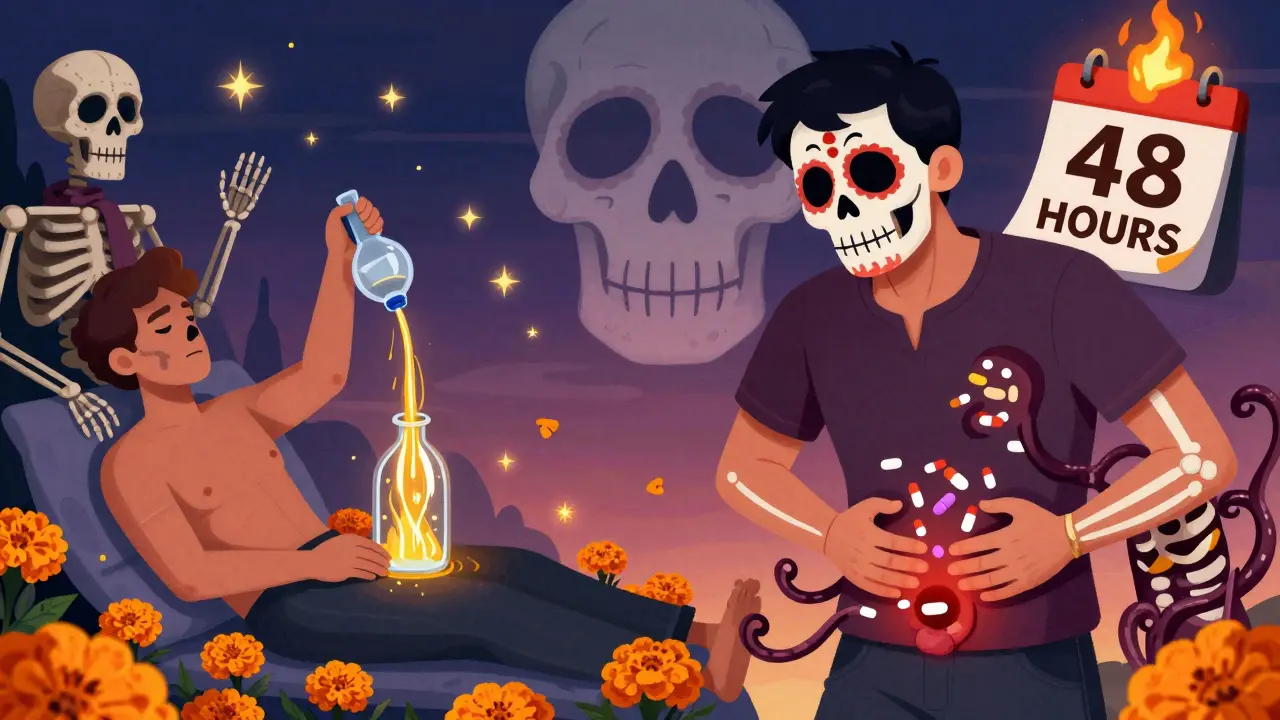
And never, ever take decongestants for more than two days in a row. The Prostate Cancer Foundation’s “48-hour rule” exists for a reason. Longer use increases the chance of irreversible bladder damage.
What Do Experts Say?
Dr. Claus Roehrborn, lead author of the American Urological Association guidelines, says pseudoephedrine should be considered contraindicated for men over 50 with moderate to severe BPH. The European Association of Urology goes even further: they recommend avoiding all systemic alpha-adrenergic agonists entirely.
The FDA now requires warning labels on all pseudoephedrine products. That’s new. In 2021, only 28% of men knew about the risk. By 2023, that number jumped to 63% - thanks to those labels and growing awareness.
And yet, 73% of pseudoephedrine sales still happen without any pharmacist counseling. That’s a gap. A dangerous one.
Real Stories, Real Consequences
On Reddit, u/BPH_Warrior wrote: “I took one Sudafed tablet. Felt fine for an hour. Then I couldn’t pee. My bladder felt like a water balloon. I spent 12 hours in the ER with a catheter. I’ll never take it again.”
On the Prostate Cancer Foundation forum, 76% of 187 men reported urinary problems after taking pseudoephedrine. Over a third needed emergency catheterization.
One user on Drugs.com said, “I’ve used Sudafed for years with no issues.” That’s true - for some. But that’s not a reason to risk it. One person’s tolerance doesn’t mean it’s safe for you.
What Should You Do?
If you have BPH and you’re thinking of reaching for a cold medicine:
- Check the active ingredient. Avoid pseudoephedrine and phenylephrine.
- Use saline rinse or a nasal steroid spray first.
- If you need an antihistamine, pick loratadine or cetirizine - not Benadryl.
- Never take decongestants for more than 48 hours.
- Talk to your doctor or pharmacist before taking anything new.
- If you suddenly can’t urinate - go to the ER. Don’t wait.
There’s no shame in avoiding decongestants. There’s only risk in ignoring it. Your prostate doesn’t need to be squeezed tighter just so you can breathe through your nose. There are safer ways. Use them.
Industry Changes Are Coming - But Don’t Wait
The BPH treatment market is worth over $5 billion. And more urology practices are now routinely screening patients for decongestant use. The American Pharmacists Association now trains pharmacists to ask every man over 50: “Are you taking anything for congestion?”
But change moves slowly. The FDA label update happened in 2022. It’s 2026 now. Millions of men still walk into pharmacies and buy Sudafed without knowing what they’re risking.
Don’t be one of them.
Can I take Sudafed if I have an enlarged prostate?
No. Sudafed contains pseudoephedrine, which tightens muscles in the prostate and bladder neck, making it harder or impossible to urinate. For men with benign prostatic hyperplasia (BPH), this can lead to acute urinary retention - a medical emergency requiring catheterization. Even one dose can trigger this reaction. Avoid Sudafed and all pseudoephedrine products.
Is phenylephrine safer than pseudoephedrine for BPH?
Phenylephrine is slightly less potent than pseudoephedrine, but it still carries a significant risk. Studies show it increases urethral resistance by 15-20% and raises the odds of urinary retention by more than double. The American Urological Association lists it as a high-risk medication for men with BPH. It’s not a safe alternative - just a slightly less dangerous one.
What cold medicine is safe for men with BPH?
The safest options are non-pharmacological: saline nasal irrigation (like NeilMed Sinus Rinse) and steam inhalation. If you need medication, intranasal corticosteroids (Flonase, Nasonex) and non-sedating antihistamines (Claritin, Zyrtec) are preferred. Avoid any product containing pseudoephedrine, phenylephrine, or diphenhydramine (Benadryl).
How do I know if I’m experiencing urinary retention?
Signs include: suddenly being unable to start urinating despite a strong urge, feeling pressure or pain in your lower abdomen, a weak or interrupted urine stream, or feeling like your bladder is still full after peeing. If you’ve taken a decongestant and notice these symptoms, seek medical help immediately. Do not wait.
Can alpha-blockers like tamsulosin protect me from decongestant risks?
Yes - but only if used correctly. A 2022 study showed that men taking tamsulosin 0.4mg daily for at least 72 hours before using pseudoephedrine had an 85% lower risk of urinary retention. This is not a green light to take Sudafed. It’s a last-resort strategy that requires a doctor’s supervision. Never combine them without medical guidance.
How long does it take for decongestants to affect urination?
Symptoms can begin within 30-60 minutes after taking pseudoephedrine and may last up to 24 hours due to its long half-life (12-16 hours). Even if you feel fine after an hour, the drug is still working in your prostate. Don’t assume you’re safe just because you’re not in pain yet.
Is it safe to use nasal sprays like Afrin if I have BPH?
Nasal sprays like oxymetazoline (Afrin) are absorbed minimally into the bloodstream, so they carry lower risk than oral decongestants. But they’re not risk-free. Using them longer than 3 days can cause rebound congestion, and some men still report urinary side effects. Saline rinses and steroid sprays are safer long-term choices.






11 Comments
Christina Bilotti January 17, 2026
Oh wow, another ‘medical alert’ post that reads like a pharmaceutical pamphlet written by a man who’s never met a comma he didn’t want to fight. Let me guess - you also read the FDA label before brushing your teeth? Congrats, you’ve weaponized common sense. Most of us just avoid Sudafed because our grandpas told us not to. You? You cited a 2022 meta-analysis. We’re all so lucky to have you.
Samyak Shertok January 18, 2026
So let me get this straight - the patriarchy’s latest villain is a nasal decongestant? And the solution is… more nasal sprays? More $80 steroid inhalers? We’ve turned a simple cold into a bioethical crisis. Next you’ll tell me ibuprofen causes existential dread. At least in India, we just drink chai and pray. No studies needed. Just vibes.
brooke wright January 19, 2026
I’m 58 and had a catheter last winter after taking one Sudafed - didn’t know why I couldn’t pee until my wife screamed at me to go to the ER. I thought it was just ‘old guy problems.’ Turns out it’s a silent trap. I didn’t even know phenylephrine was in my ‘allergy relief’ pill. Now I read every label like it’s a contract. And I cry every time I see a kid holding a box of Sudafed at the store. Like… what are we even doing?
Jody Fahrenkrug January 20, 2026
My dad took pseudoephedrine in 2021 and ended up in the hospital. He’s fine now, but he won’t touch anything with ‘decongestant’ on the label. We keep saline rinse packets in the medicine cabinet now. Honestly? It’s better than the pills anyway. No drowsiness, no bladder drama. Just water and a little patience. 🌿
Ryan Hutchison January 21, 2026
Look I get it. But this is why America’s healthcare system is broken. You got a guy in his 70s who’s been taking Sudafed since Nixon and now some PhD with a clipboard tells him he can’t have it? Meanwhile, Canada lets you buy it over the counter. We’re over-medicalizing normal aging. Chill out. Let people make their own damn choices.
Stephen Tulloch January 21, 2026
Bro I just used Flonase for 6 months straight and my nose is happier than my ex. 🤙 Also, NeilMed is basically a $20 miracle. I bought 3 boxes. One for the car, one for the office, one for my mom who thinks ‘allergies’ are just a vibe. She’s now a convert. No catheters. No drama. Just clean sinuses. You’re welcome.
Joie Cregin January 21, 2026
I just want to say thank you for writing this. My uncle had a catheter for 5 days after taking a cold med - he didn’t even know he had BPH. He’s 72, lives alone, and thought ‘it’s just part of getting old.’ This post could’ve saved him. I printed it out and left it on his fridge. He didn’t say anything. But he hasn’t bought Sudafed since. That’s a win.
Rob Deneke January 23, 2026
Man I’ve been telling my bros this for years. If you’re over 50 and your nose is stuffed, don’t reach for the blue bottle. Grab the saline spray. Or better yet - go outside, breathe deep, and drink some hot tea. Your bladder will thank you. And your dignity. Trust me I’ve been there
Melodie Lesesne January 23, 2026
My pharmacist actually stopped me last week when I was reaching for the cold med aisle. She said ‘you got BPH right? Let me show you the safe stuff.’ I didn’t even know she knew. That moment? That’s the kind of care we need more of. Not just info - real human checks. Thank you for reminding us that we’re not alone in this.
Corey Sawchuk January 25, 2026
Been using NeilMed for 3 years now. No issues. No catheters. No drama. Just water and a little elbow grease. My urologist says it’s the best thing I’ve done for my prostate since quitting soda. Seriously try it. It’s not sexy but it works
Nick Cole January 25, 2026
One sentence: If you’re over 50 and you’ve ever felt like your bladder’s full but nothing comes out after taking a cold pill - you weren’t just being dramatic. You were in a medical emergency. And now you know. Don’t wait for it to happen again. Save yourself the ER visit. Your body isn’t a beta test.