
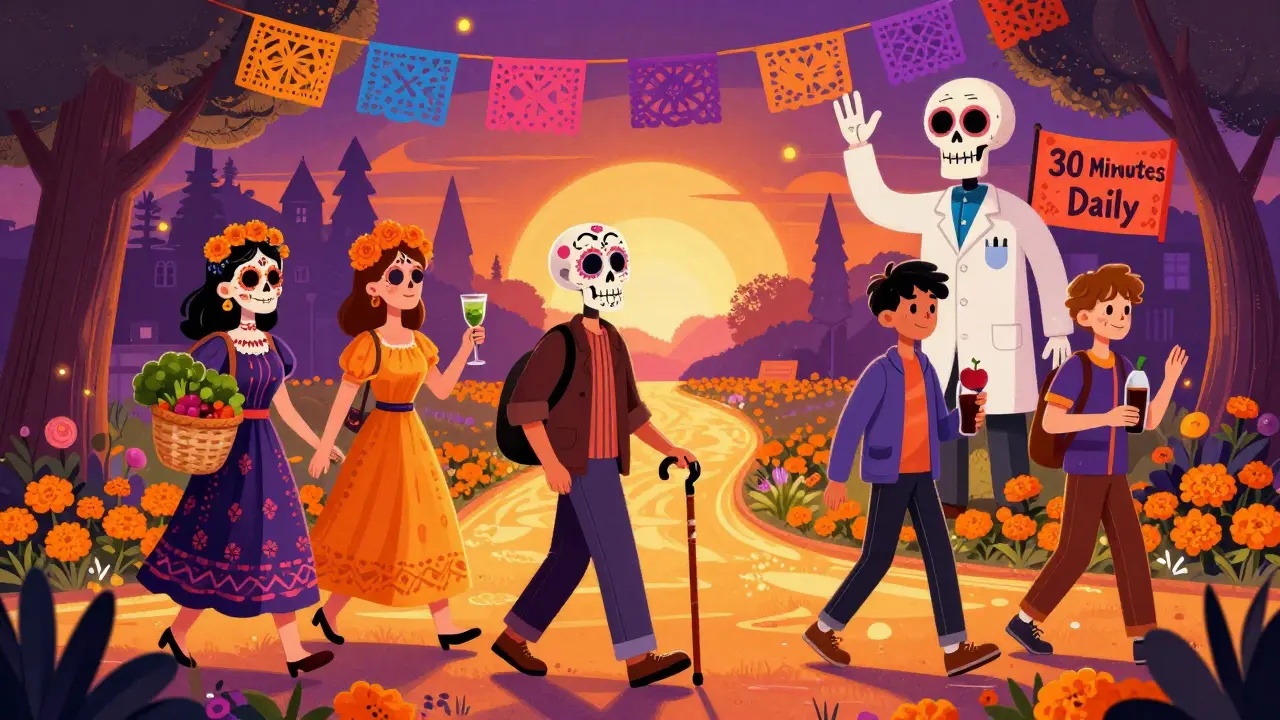
More than cancer prevention is about early detection or cutting-edge treatments. The truth is, a huge chunk of cancer cases never have to happen. You don’t need a magic pill or a miracle cure. Often, it’s about what you eat, how much you move, and whether you avoid certain habits you know are risky. The science is clear: lifestyle changes can slash your risk of getting cancer - sometimes by more than 20%. And yes, that includes things like walking more, eating more veggies, and skipping the daily beer.
What You Can Actually Do Today
Let’s cut through the noise. You don’t need to become a perfect health guru overnight. The biggest wins come from simple, consistent choices. The American Cancer Society’s 2020 guidelines break it down into five core areas: weight, activity, diet, alcohol, and tobacco. Stick to these, and you’re already ahead of most people.
First, get moving. You don’t need to run a marathon. Just 150 minutes a week of brisk walking - that’s 30 minutes, five days a week - cuts colon cancer risk by 24% and breast cancer risk by up to 20%. Mayo Clinic’s 2023 data shows people who hit this mark have noticeably lower inflammation markers, which is key because chronic inflammation fuels tumor growth. If you’re sitting all day, even a 10-minute walk after lunch helps. Set a reminder. Do it. That’s it.
Second, manage your weight. It’s not about looking a certain way. It’s about biology. Each 5-point increase in BMI above 25 raises your risk for postmenopausal breast cancer by 12%, kidney cancer by 10%, and colorectal cancer by 8%. You don’t need to lose 50 pounds. Losing just 5-10% of your body weight - even if that’s 10 pounds - can reduce tumor-promoting inflammation by 25-30% within six months, according to Dr. Cynthia Thomson’s research at the University of Arizona. That’s not a guess. That’s measurable biology.
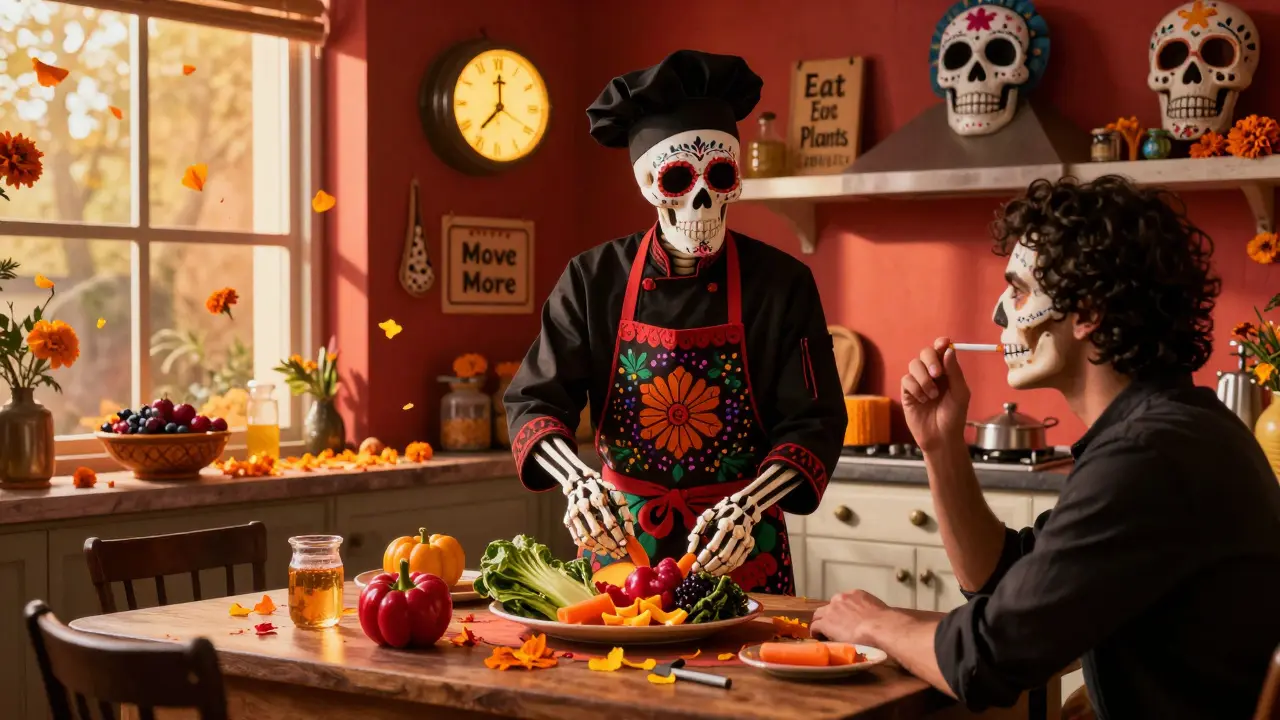
Third, eat more plants. Not just any plants. Focus on vegetables and fruits, especially cruciferous ones like broccoli, cauliflower, and Brussels sprouts. The UC Davis Health 2024 meta-analysis found people who ate these regularly had 15-20% lower risk of prostate cancer. Aim for 2.5 to 3 cups of veggies and 1.5 to 2 cups of fruit every day. That’s not hard. Add spinach to your eggs. Snack on carrots. Have a berry smoothie. Swap out one processed snack for an apple. Small changes add up.
Fourth, cut alcohol. There’s no safe level when it comes to cancer. Each extra drink per day increases breast cancer risk by 7-12% and esophageal cancer by 20-30%. Cancer Research UK’s 2023 report is blunt: alcohol is a direct carcinogen. The guidelines say one drink a day for women (14g ethanol - about a 5oz glass of wine), two for men. But if you’re not drinking, don’t start. If you are, cut back. Even cutting from two drinks to one reduces your risk noticeably.
Fifth, don’t smoke. Or if you do, quit. Tobacco is the single biggest preventable cause of cancer. It causes 78% of lung cancers and 15-20% of all cancer deaths globally. Quitting at any age helps. After five years, your risk of mouth, throat, and bladder cancers drops by half. After ten years, lung cancer risk is cut by half compared to continuing smokers. There’s no better investment in your future health.
What About Sun Exposure?
People think skin cancer is just about beach vacations. But it’s not. Melanoma risk is tied to cumulative UV exposure - not just sunburns. Mayo Clinic’s 2022 review found consistent use of SPF 30+ sunscreen reduces melanoma risk by 50%. That means every day, rain or shine, if you’re outside for more than 15 minutes, slap on sunscreen. Reapply every two hours if you’re out in the sun. Avoid direct exposure between 10 a.m. and 4 p.m., when 80% of UV radiation hits the earth. Wear a hat. Seek shade. It’s not about looking tan. It’s about protecting your DNA.
What Is Chemoprevention?
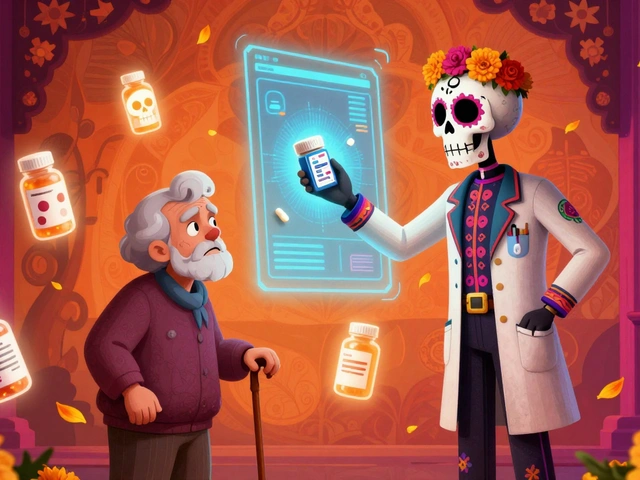
Chemoprevention sounds like a drug you take to avoid cancer. And in some cases, it is. But it’s not a magic bullet. It’s for specific high-risk groups - not the general public.
For example, women with a strong family history of breast cancer or BRCA mutations may take tamoxifen or raloxifene. These drugs block estrogen in breast tissue, lowering risk by up to 50%. For people with a history of colon polyps, aspirin taken daily at low doses (81mg) has been shown to reduce recurrence of polyps and lower colon cancer risk by 20-40% over 10 years. But here’s the catch: these aren’t for everyone. Aspirin can cause stomach bleeding. Tamoxifen can increase blood clot risk. They’re only used when the benefit clearly outweighs the risk - and only under a doctor’s supervision.
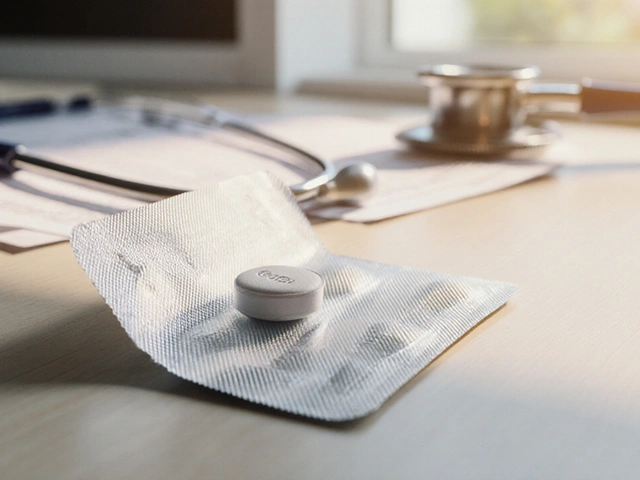
There’s no pill you can buy over the counter that prevents cancer. Supplements like vitamin D, calcium, or turmeric get a lot of hype, but large studies haven’t shown they reduce cancer risk in healthy people. The NIH’s 2023 review found no consistent benefit from multivitamins for cancer prevention. So skip the hype. Focus on food first. If you’re at high risk, talk to your doctor. Don’t self-prescribe.
Why Most People Struggle
It’s not that people don’t know. A Cancer Research UK survey in 2023 found 64% know smoking causes cancer. But only 28% know obesity does. That’s a gap. And even when people know, they don’t act.
UCLA’s 2023 survey of 1,200 people showed 68% couldn’t stick to regular exercise. Why? Time. 74% said they were too busy. Another 52% couldn’t eat enough veggies. They just didn’t know how to make it easy.
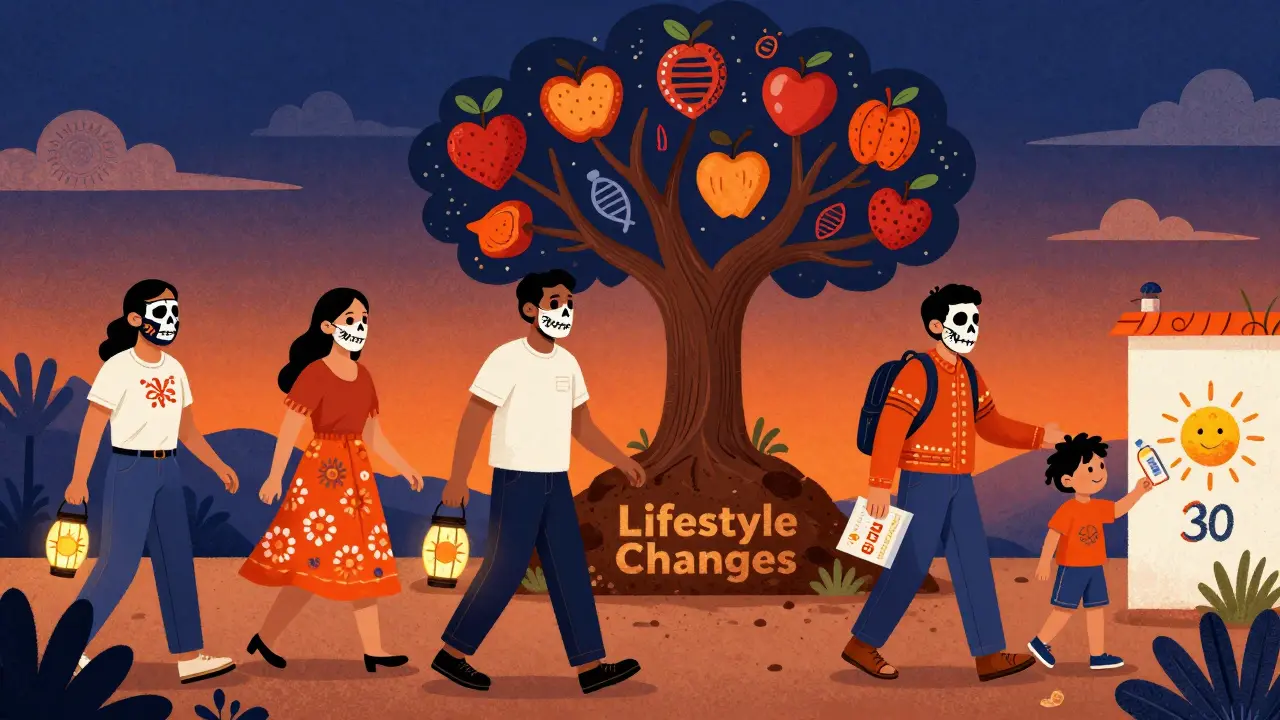
Here’s the secret: small, sustainable changes beat dramatic overhauls. The American Cancer Society’s "3-2-1" framework works because it’s simple: 30 minutes of activity daily, 2 vegetable servings at lunch or dinner, 1 hour less screen time. Programs using this method saw 62% adoption. People who set specific weekly goals - like "I’ll walk 3 days this week" - had 87% success. Those with vague goals like "I’ll exercise more"? Only 43% stuck with it.
And social support helps. UC Davis Health’s "Cultivating Health" program paired people with walking buddies and weekly check-ins. Result? 85% of participants hit their exercise goals. Control groups? Only 45%. You’re more likely to stick with something if someone else is doing it with you.
What’s Changing Right Now
The field is moving fast. The NIH has committed $287 million to lifestyle research between 2024 and 2028. One big focus: digital tools. Apps that track movement, food, and sleep are being tested to see if they boost adherence. Results are due by December 2025.
Also, oncologists are being trained. The American Society of Clinical Oncology launched "Prevention First" in January 2024. By the end of 2025, 5,000 cancer doctors will be trained to talk to patients about diet, weight, and activity - not just chemo and radiation. That’s huge. For too long, prevention was left to primary care. Now, cancer specialists are stepping in.
And precision prevention is on the horizon. The NCI-MATCH trial is testing whether your genes can guide your diet. For example, if you have a certain genetic variant, maybe you need more folate or less red meat. Preliminary data is expected in late 2025. This isn’t sci-fi. It’s science in motion.
Where the System Falls Short
Here’s the uncomfortable truth: the system isn’t helping enough. Only 38% of primary care doctors discuss all seven ACS prevention guidelines during annual exams, even though they’ve been updated since 2020. That’s a failure of training, time, and incentives.
And it’s worse for low-income patients. CDC data shows only 29% of Medicaid patients get lifestyle counseling, compared to 67% of privately insured people. Hispanic populations and people in the Southern U.S. have the lowest rates of vegetable intake. These aren’t just health disparities - they’re preventable cancer disparities.
Employers are stepping up. 68% of Fortune 500 companies now offer prevention programs. But only 42% of employees join. Why? Because many programs are too generic. They offer a pedometer and a pamphlet. The ones that work give you personalized feedback, group support, and real-time tracking.
You Don’t Need to Be Perfect
Here’s what matters: progress, not perfection. You don’t need to quit smoking cold turkey tomorrow. Start by cutting down. You don’t need to eat five cups of veggies a day. Add one more serving tonight. You don’t need to run a marathon. Walk for 10 minutes after dinner.
Harvard’s T.H. Chan School of Public Health found that just three consistent lifestyle changes - staying at a healthy weight, getting regular activity, and limiting alcohol - can cut cancer risk by 18-21% in five years. That’s not theoretical. That’s real. And it’s within reach.
The science isn’t complicated. What’s complicated is making change stick. But you’ve already done harder things. You showed up to work. You paid your bills. You got through tough days. This is just another day - another choice - to take care of yourself.
Start small. Stay consistent. Your future self will thank you.


13 Comments
Amrit N February 18, 2026
man i just started walking 20 mins after work and honestly? my knees feel better, my head feels clearer. no magic, just movement. also, i started putting spinach in my scrambled eggs - tasted like dirt at first, now i crave it. small stuff, yknow?
Courtney Hain February 18, 2026
let me guess - you’re one of those people who think ‘lifestyle changes’ are the answer while Big Pharma quietly patents gene-editing cures that they’ll sell for $2M per dose. the real cancer prevention? it’s glyphosate in your bread, PFAS in your water, and corporate lobbying killing regulation. they don’t want you healthy - they want you medicated. and don’t even get me started on how sunscreen is just a marketing ploy to sell more plastic bottles. the sun is your natural immune booster. they’re scared of that.
Robert Shiu February 19, 2026
you’re not alone. i used to think i had to overhaul my whole life to avoid cancer. then i started with one thing: a 10-minute walk after dinner. just ten minutes. no headphones, no podcast - just me and the streetlights. after a month, i added one extra veggie to dinner. then i swapped soda for sparkling water. no big drama. no guilt. just progress. if you’re reading this and thinking ‘i can’t do that’ - you already did. you clicked read. that’s step one. now take one more step. tomorrow. i believe in you.
Greg Scott February 20, 2026
the part about alcohol being a direct carcinogen hit hard. i used to say ‘one glass of wine a night is fine.’ now i’m down to two a week. not because i’m scared - because i respect my body more than i used to. also, i started meal prepping on Sundays. it’s not glamorous, but it saves me from grabbing chips at 11 p.m.
Scott Dunne February 20, 2026
while I appreciate the sentiment, the entire premise of this article is dangerously naive. The notion that individual behavioral modifications can meaningfully reduce cancer incidence ignores systemic environmental degradation, industrial pollution, and the erosion of public health infrastructure. To suggest that walking 150 minutes weekly is a viable substitute for clean air, safe drinking water, and regulated food systems is not just reductive - it is an affront to rational public discourse.
Caleb Sciannella February 21, 2026
as someone who grew up in a household where dinner meant five different colored vegetables and a daily walk after sunset, i can say this: prevention isn’t about discipline - it’s about culture. when healthy habits are woven into daily life, they don’t feel like choices. they feel like home. i’ve seen this across continents - from rural japan to the midwest u.s. - the communities with the lowest cancer rates aren’t the ones with the most supplements. they’re the ones with rhythm. meals shared. movement integrated. silence honored. we’ve lost that rhythm. and no app will bring it back.
Ashley Paashuis February 21, 2026
I find it interesting how the article emphasizes individual responsibility without acknowledging the structural barriers that make these changes difficult - especially for low-income communities. Access to fresh produce, safe walking spaces, and healthcare education are not equally distributed. While the science is sound, the implementation requires policy change, not just personal willpower. We must address the systems before asking individuals to fix themselves.
Oana Iordachescu February 22, 2026
Chemoprevention? Tamoxifen? Aspirin? Please. These are not ‘prevention’ - they’re chemical band-aids on a wound caused by corporate negligence. The real issue? Glyphosate. Aspartame. PFOA. They’ve been quietly poisoning us for decades. And now they want us to believe that if we just eat more broccoli, we’ll be safe? I’ve seen the studies - the ones they don’t publish. The data is buried. The truth? Cancer isn’t a lifestyle failure - it’s a betrayal.
Davis teo February 22, 2026
okay but like… what if i just really love pizza? and wine? and sitting on the couch? is my future self gonna hate me? like… i know i should move more, but i also just really like my blanket and my Netflix. is it wrong to want comfort? is my cancer going to be extra dramatic because i didn’t walk enough? someone tell me i’m not alone.
Michaela Jorstad February 24, 2026
I just wanted to say - thank you for writing this. I’ve been struggling with anxiety and fatigue, and I didn’t realize how much my sleep, movement, and diet were connected. I started walking 15 minutes after dinner - just 15 - and I’ve slept better in two weeks than I have in two years. It’s not about perfection. It’s about showing up. And you showed up. So thank you.
Chris Beeley February 24, 2026
Let me be blunt: the Western obsession with ‘lifestyle prevention’ is a distraction. In Nigeria, we don’t have access to organic broccoli or gym memberships. We have hunger, contaminated water, and no healthcare infrastructure. You’re preaching to the choir - the privileged few who can afford to ‘walk more’ while the rest of us are fighting to survive. This article is a luxury. Cancer prevention isn’t about smoothies - it’s about clean water, electricity, and dignity. Until we fix that, your 150 minutes of walking is a luxury distraction.
Arshdeep Singh February 25, 2026
you think eating veggies prevents cancer? how quaint. real wisdom is knowing that cancer is the body’s way of rejecting toxicity - not a result of poor diet. your body doesn’t need ‘more broccoli’ - it needs to release suppressed emotions. trauma stored in the liver. fear in the colon. your ‘3-2-1 framework’ is just another form of spiritual ignorance. if you want real prevention, meditate. chant. cleanse your chakras. the body heals when the soul aligns. science is just a tool - not the truth.
James Roberts February 25, 2026
honestly? i love how this post ends with ‘your future self will thank you.’ it’s sweet. but also… i’ve got two kids, a dog, and a cat. i work 60 hours a week. i’m 47. i haven’t had a vacation in three years. i don’t need another guilt trip. i need someone to say: ‘you’re doing fine.’ so here it is: you’re doing fine. if you ate one apple this week? good. if you walked to the mailbox? great. if you didn’t smoke today? victory. stop trying to be perfect. just keep showing up. that’s enough.