
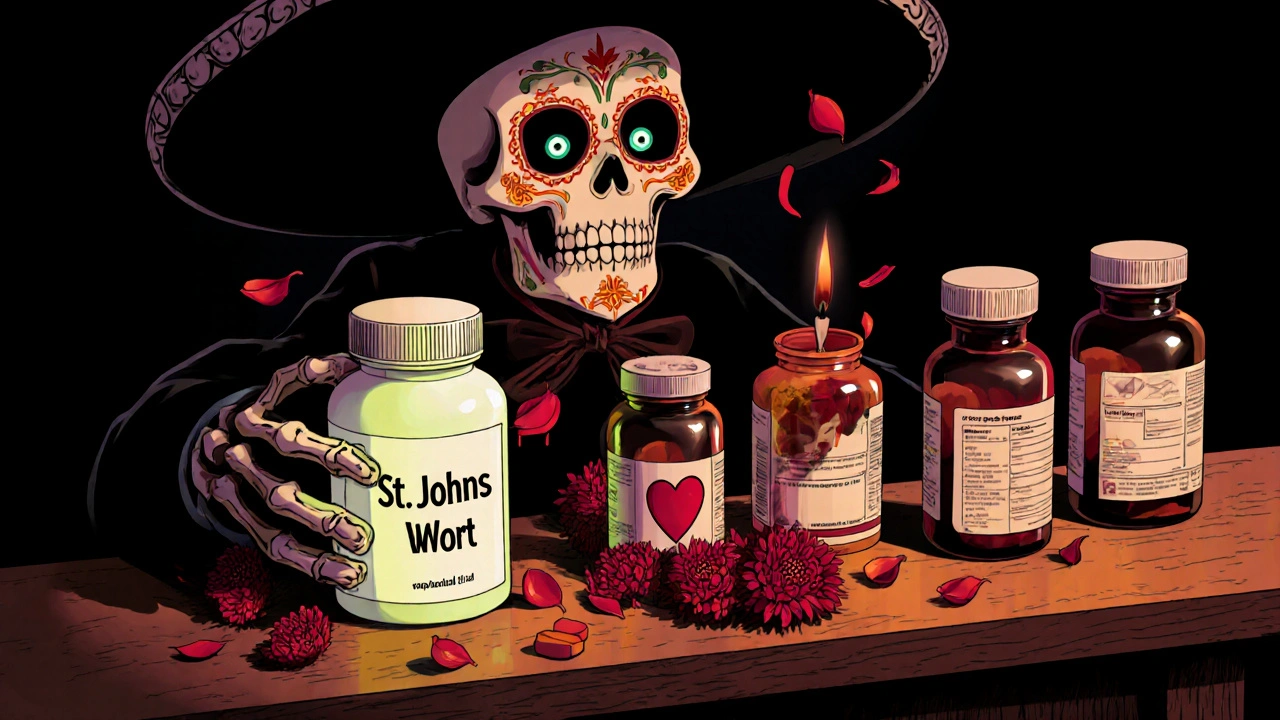
Every year, over 23,000 people in the U.S. end up in the emergency room because a supplement they took clashed with their prescription medicine. It’s not rare. It’s not unusual. It’s happening to people who think they’re doing the right thing-taking vitamins, herbs, or minerals to feel better, sleep deeper, or boost immunity. But here’s the truth: supplement doesn’t mean safe. And if you’re on any kind of medication, you’re playing Russian roulette without even knowing it.
Why Supplements Can Be Dangerous with Medications
Your body doesn’t care if something is labeled "natural" or "organic." It only cares about chemistry. When you take a supplement, it doesn’t just sit there. It gets absorbed, processed, and sometimes interferes with how your medications work. The liver uses enzymes-mainly the CYP450 family-to break down drugs. Some supplements, like St. John’s wort, can shut down or speed up these enzymes. That means your blood pressure pill might not work. Your antidepressant could stop working. Or worse, your blood thinner could become too strong and cause internal bleeding. The FDA has been warning about this since 2006. But the problem is getting worse. In 2022, over 3,200 adverse events linked to supplements were reported to the FDA-nearly half involved interactions with prescription drugs. And that’s just what gets reported. Most people never tell their doctor they’re taking turmeric or fish oil because they assume it’s harmless.The Worst Offenders: Supplements That Can Kill
Not all supplements are created equal. Some are low-risk. Others? They’re like chemical grenades in your system.- St. John’s wort is the most dangerous commonly used supplement. It reduces the effectiveness of over 57 medications, including birth control pills, HIV drugs, antidepressants, and transplant medications like cyclosporine. One study showed it cuts cyclosporine levels by up to 50%. That means your new kidney could be rejected.
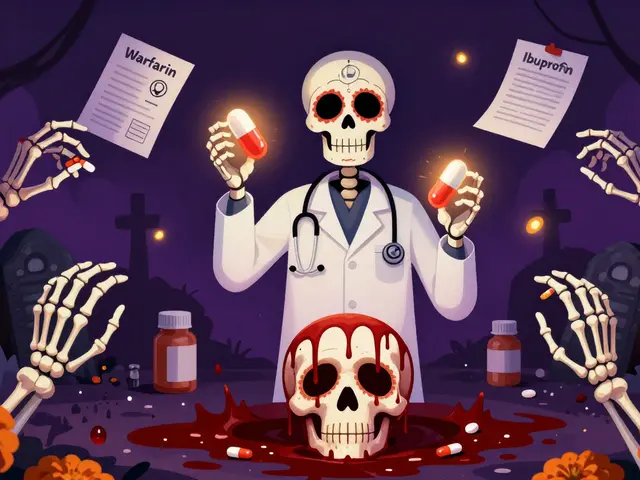
- Ginkgo biloba is often taken for memory. But if you’re on warfarin, Eliquis, or any blood thinner, it triples your risk of serious bleeding. There are documented cases of people ending up in the ICU after combining ginkgo with blood thinners.
- Vitamin E at doses above 400 IU increases INR levels by 15-20% in people taking warfarin. That’s enough to trigger dangerous bleeding, even if your INR was stable for months.
- Calcium, magnesium, zinc, and iron compete for the same absorption channels. Taking them together can mean none of them work. Iron supplements can make your thyroid medication useless. Calcium can block your antibiotics.
- Goldenseal interferes with liver enzymes the same way St. John’s wort does. It can make your diabetes meds, heart drugs, and even chemotherapy less effective.
The "Safe" Ones (Mostly)
Not everything is a threat. Some supplements have very little evidence of dangerous interactions. The American Academy of Family Physicians lists these as low-risk under normal conditions:- Milk thistle
- Cranberry
- Black cohosh
- American ginseng
- Saw palmetto
- Valerian
- Ginkgo (except with blood thinners)
How to Check for Interactions-For Real
You can’t trust Google. You can’t trust the label on the bottle. You can’t trust your friend who says "I take this with my blood pressure pill and I’m fine." Here’s what actually works:- Make a complete list. Write down every pill, capsule, powder, tea, and tincture you take-even the ones you only use once a week. Include brand names and dosages.
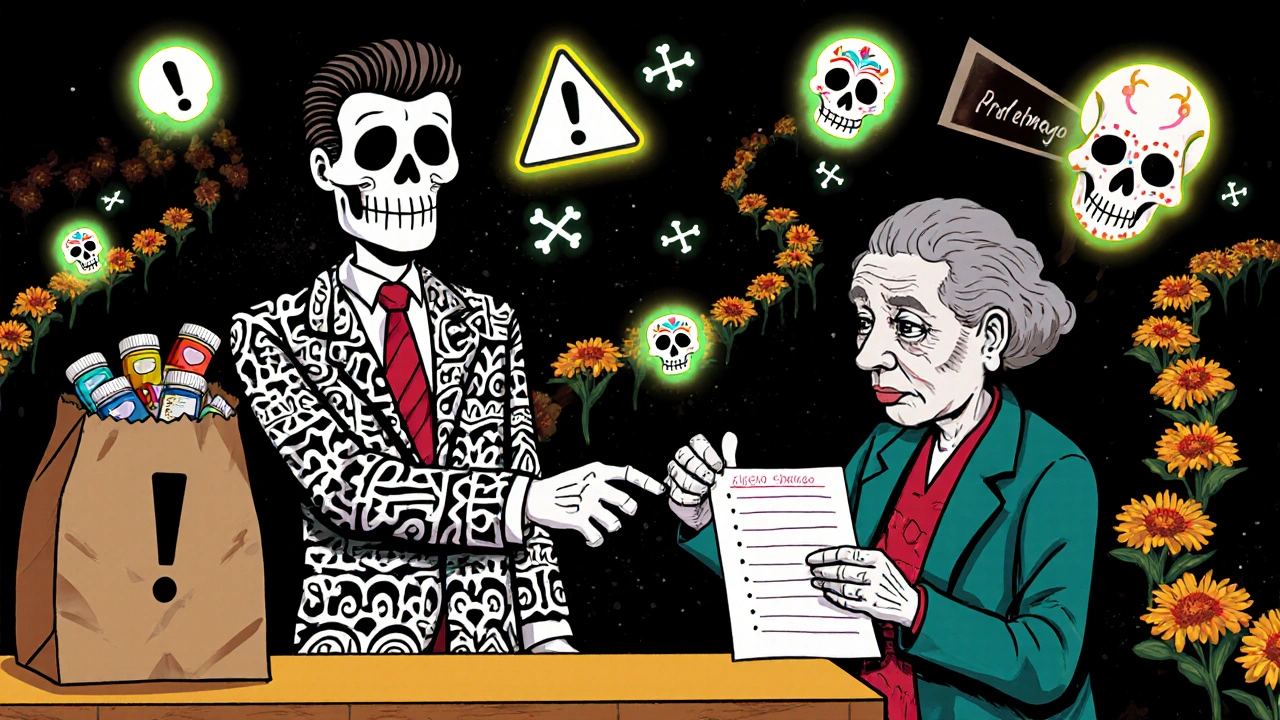
- Bring it to your doctor or pharmacist. Don’t say, "I take some vitamins." Show them the actual bottles. The FDA calls this the "brown bag method." A Johns Hopkins study found it cuts medication errors by 37%.
- Ask specifically: "Could any of these interfere with my medications?" Don’t assume they’ll ask you. Most doctors don’t. A 2023 survey found 68% of supplement users never talk to their provider about it.
- Use the FDA’s new tool. Starting late 2024, the FDA will release a mobile app that scans supplement labels and flags interactions. Until then, use the free Drug Interaction Checker on Drugs.com or Medscape.
What to Do Before Surgery
If you’re scheduled for surgery-even a minor one-stop all supplements at least 7-10 days before. Why? Because many of them thin your blood or affect your heart rhythm. Garlic, ginkgo, fish oil, vitamin E, and even green tea can increase bleeding during surgery. Your anesthesiologist needs to know what you’re taking. A 2022 study showed 42% of surgical complications linked to supplements were preventable if patients had disclosed them.Pharmacists Are Your Secret Weapon
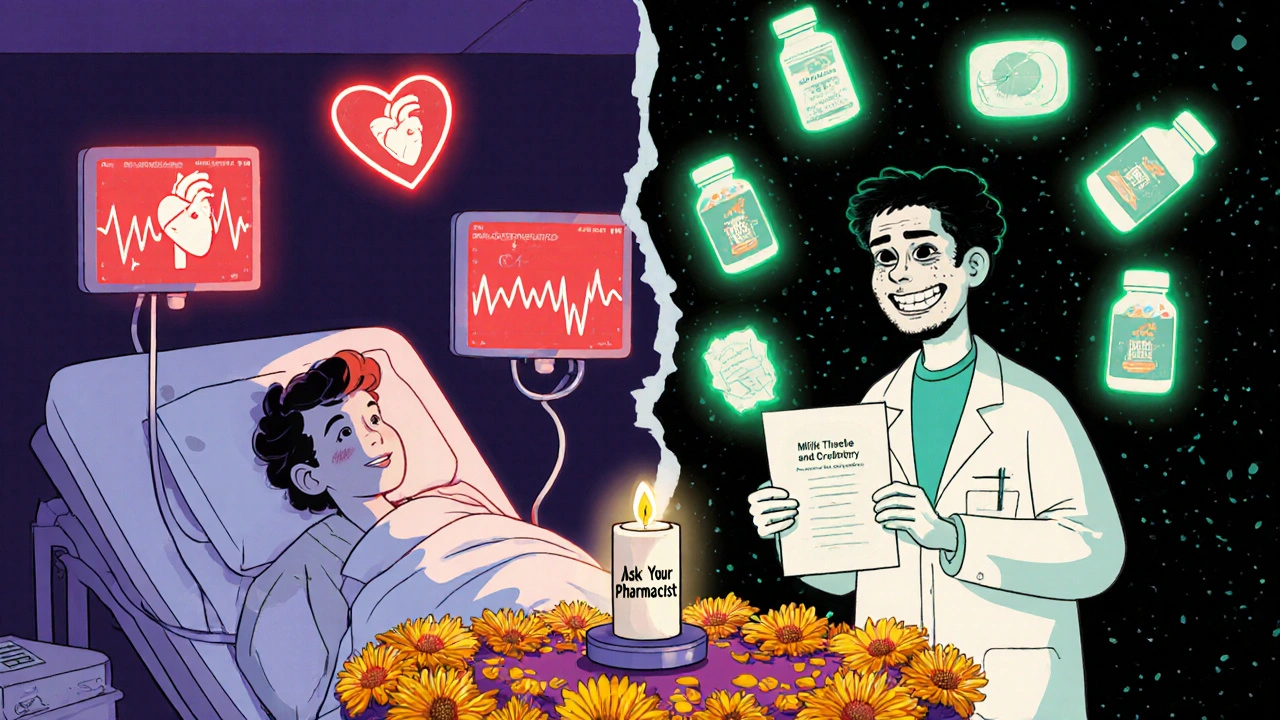
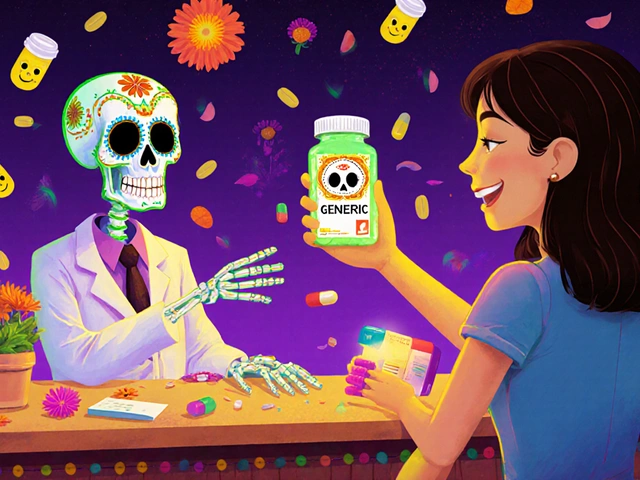
Most people think pharmacists just hand out pills. They’re wrong. Pharmacists are trained drug interaction detectives. Since 2021, Walgreens and CVS have required pharmacists to screen every customer for supplement use during prescription fills. In 18% of cases, they catch something dangerous. You don’t need to be a patient. Walk in with your brown bag. Ask: "Can you check if these supplements interact with my meds?" It’s free. It’s fast. And it could save your life.What the Labels Won’t Tell You
Supplement labels are legally required to list active ingredients and amounts. But they’re not required to warn you about drug interactions. That’s why you’ll often see nothing on the bottle-even if it’s St. John’s wort or ginkgo. Look for three things:- Active ingredients (not just "proprietary blend")
- Dosage per serving (e.g., 300 mg of ginkgo biloba)
- Any "Warning" statement-even if it’s tiny
Who’s at Highest Risk?
Adults over 50 are the most vulnerable group. Nearly 80% take both prescription meds and supplements. But only 32% talk to their doctor about it. That’s a recipe for disaster. Women on birth control are another high-risk group. St. John’s wort cuts the effectiveness of hormonal contraceptives by up to 50%. That’s not a myth. That’s a documented fact. Women have gotten pregnant while taking both. People on multiple medications-especially for heart disease, diabetes, depression, or transplants-are in the danger zone. The more pills you take, the more likely one of your supplements is going to break something.What to Do Right Now
You don’t need to quit supplements overnight. But you do need to act:- Stop taking any supplement that isn’t on your doctor’s approved list.
- Make your brown bag today. Gather every pill, bottle, and box you take.
- Schedule a 10-minute appointment with your pharmacist or doctor. Bring your list.
- Don’t start a new supplement without asking first.
- If you feel dizzy, nauseous, bruise easily, or notice changes in your heart rate after starting a supplement-stop it and call your doctor.
Bottom Line
Supplements aren’t harmless. They’re powerful chemicals. And if you’re on medication, they can turn your treatment into a gamble. The good news? You don’t need to guess. You don’t need to rely on luck. You just need to ask the right questions-and get answers from someone who knows.It’s not about fear. It’s about control. You took charge of your health by starting supplements. Now take charge again by making sure they’re not working against you.
Can I take vitamin D with my blood pressure medicine?
Yes, vitamin D is generally safe with most blood pressure medications. There’s no strong evidence it interferes with ACE inhibitors, beta-blockers, or calcium channel blockers. However, if you’re also taking calcium supplements or have kidney disease, talk to your doctor. High doses of vitamin D can raise calcium levels, which may affect heart rhythm in sensitive individuals.
Is it safe to take fish oil with aspirin?
It’s risky. Fish oil has natural blood-thinning properties. When combined with aspirin, it can increase bleeding risk, especially in older adults or those with clotting disorders. Most doctors recommend staying under 1,000 mg of combined EPA/DHA per day if you’re on daily aspirin. Always check with your provider before combining them.
Does turmeric interact with medications?
Curcumin, the active compound in turmeric, can interfere with blood thinners like warfarin and clopidogrel. It may also reduce the effectiveness of certain diabetes drugs and stomach acid reducers. While occasional culinary use is fine, high-dose supplements (500 mg or more daily) should be avoided if you’re on these medications unless cleared by your doctor.
Can I take melatonin with antidepressants?
Melatonin can be used with some antidepressants, but not all. It’s generally safe with SSRIs like sertraline or escitalopram. But it can increase drowsiness or serotonin levels when taken with MAOIs or tricyclics. There’s also a rare risk of serotonin syndrome when combined with certain antidepressants. Always start with the lowest dose (0.5-1 mg) and monitor for dizziness, confusion, or rapid heartbeat.
What should I do if I already took a supplement with my medication?
Don’t panic. Stop taking the supplement immediately. Watch for symptoms like unusual bruising, bleeding, dizziness, rapid heartbeat, confusion, or nausea. If you feel anything off, call your doctor or go to urgent care. If you’re on a medication with a narrow therapeutic index-like warfarin, digoxin, or cyclosporine-call your provider even if you feel fine. They may need to run a blood test to check levels.
Next Steps
If you’re on medications and take supplements, here’s your action plan:- Today: Gather every supplement and medication you take.
- Tomorrow: Call your pharmacy and ask for a free interaction check.
- This week: Schedule a 10-minute visit with your doctor to review your list.
- Next month: Only add new supplements if your provider says yes.



9 Comments
Debbie Naquin November 30, 2025
The CYP450 enzyme system isn't just a metabolic pathway-it's a battlefield where phytochemicals and pharmaceuticals wage chemical warfare. St. John’s wort induces CYP3A4 and P-gp efflux pumps like a rogue transcription factor. That’s not anecdotal-it’s pharmacokinetic reality. Your SSRIs don’t fail because you’re weak. They fail because your supplement is actively downregulating plasma concentration.
And don’t get me started on ginkgo’s flavonoid-mediated platelet aggregation inhibition. It’s not ‘natural blood thinning.’ It’s irreversible COX-1 interference masked as wellness. The FDA’s passive regulatory stance is a public health failure. We regulate aspirin like a controlled substance but let turmeric extracts fly under the radar with zero labeling requirements. This isn’t holistic health. It’s pharmacological anarchy.
ariel nicholas November 30, 2025
WHO CARES?! You people are terrified of everything that isn’t Big Pharma-approved! St. John’s wort? It’s been used for 2,000 years! You think a PhD in pharmacology knows more than Hippocrates?!
And why are we trusting the FDA?! They approved OxyContin! They approved Vioxx! They approved glyphosate! Now they want you to believe they’re your supplement babysitter?!
Take your pills. Take your herbs. Live your life. Stop letting bureaucrats scare you into submission. Your body’s smarter than your doctor’s algorithm.
Rachel Stanton November 30, 2025
Hey-this is so important, and I’m so glad someone laid it out clearly.
For anyone reading this who’s overwhelmed: you don’t have to do it all today. Start with one thing. Pick one supplement you take daily. Look up its active ingredient. Google ‘[ingredient] + [your medication] interaction.’
Then, bring the bottle to your pharmacist. Say, ‘Can you help me understand if this is safe?’ They won’t judge you. They’ve seen it all.
And if you’re on warfarin, thyroid meds, or anything with a narrow therapeutic index? Don’t wait. Do this now. Your future self will thank you.
You’re not being paranoid. You’re being proactive. And that’s strength.
Amber-Lynn Quinata December 1, 2025
OMG I JUST REALIZED I’VE BEEN TAKING GINKGO WITH MY WARFARIN FOR 3 YEARS 😭
WHY DID NO ONE TELL ME?!
I’M GOING TO THE PHARMACY RIGHT NOW AND I’M TAKING MY BROWN BAG AND I’M GOING TO CRY AND THEY’RE GOING TO HELP ME 😭😭😭
THANK YOU FOR THIS POST I FEEL LIKE I JUST AVOIDED A NIGHTMARE 🙏🙏🙏
PS: I ALSO TAKE TURMERIC AND MELATONIN. ARE THEY GOING TO KILL ME TOO???
Lauryn Smith December 2, 2025
I used to think supplements were just harmless extras. Then my mom had a stroke after taking fish oil with her blood thinner. She didn’t even know it could be dangerous.
Now I make sure everyone I know checks with their pharmacist. It’s not about being scared-it’s about being smart.
You don’t need to quit everything. Just ask. One conversation could save your life.
And if you’re nervous to talk to your doctor? Take someone with you. Bring the bottles. Say, ‘I just want to make sure I’m not hurting myself.’ They’ll appreciate it.
Bonnie Youn December 3, 2025
STOP SCARING PEOPLE AND START EMPOWERING THEM!
Yes, some supplements interact-but that doesn’t mean you can’t take them. It means you need to be informed.
Here’s the truth: 90% of people who take supplements are fine. The problem isn’t the supplements-it’s the silence.
Don’t panic. Don’t quit. Ask your pharmacist. Get tested. Adjust. You’re not broken. You’re just learning.
And if you’re on meds? You’re already managing your health. This is just another tool. Use it. Don’t fear it.
YOU GOT THIS. 💪🔥
Edward Hyde December 4, 2025
This whole post is just fear porn wrapped in a white coat.
You’re telling people to stop taking turmeric because it might interfere with a drug they don’t even know they’re on? Meanwhile, Big Pharma’s making billions off pills that cause more ER visits than all supplements combined.
And let’s be real-how many people actually read the fine print on a bottle of vitamin D? Nobody. But you want them to stop taking it? Nah. You want them to pay $150 for a ‘consultation’ with a doctor who’s never heard of curcumin.
Wake up. The system’s rigged. Stop buying into the fear.
Charlotte Collins December 4, 2025
Interesting how the post selectively ignores the fact that pharmaceutical interactions cause over 125,000 deaths annually in the U.S.-and yet, there’s no public outcry about ‘pharmaceutical safety.’
Meanwhile, supplements-many of which have been used safely for millennia-are painted as ticking time bombs.
The irony? The same institutions that regulate supplements with zero evidence of harm are the ones that approved thalidomide, Vioxx, and fen-phen-all with lethal consequences.
This isn’t risk awareness. It’s regulatory bias dressed as public service.
And yes-I’m still taking St. John’s wort. With my sertraline. And I’ve been fine for 8 years. Your data doesn’t account for human variation.
Margaret Stearns December 5, 2025
I just brought my brown bag to the pharmacy today. They found three interactions I didn’t know about. One was with my thyroid med and calcium. I had no idea. Thank you for this.