
When someone takes antipsychotics, a class of medications used to treat schizophrenia, bipolar disorder, and severe psychosis. Also known as neuroleptics, these drugs work by blocking dopamine in the brain—but that same mechanism can mess with movement, balance, and blood pressure, leading to a dangerous rise in falls. This isn’t rare. Studies show older adults on antipsychotics are up to three times more likely to fall than those not taking them. And falls aren’t just scary—they can break hips, cause brain injuries, and lead to long-term disability or death.
The problem isn’t just one thing. dizziness, a common side effect caused by antipsychotics lowering blood pressure when standing up is a big contributor. Then there’s Parkinsonism, a set of symptoms including stiff muscles, slow movement, and tremors that mimic Parkinson’s disease. These happen because antipsychotics block dopamine receptors in areas that control movement. Even worse, some people develop orthostatic hypotension, a sudden drop in blood pressure when standing, which can make them feel lightheaded or faint without warning. Add in age-related balance issues, poor lighting, or loose rugs at home, and the risk multiplies.
Not all antipsychotics carry the same risk. Older ones like haloperidol are more likely to cause stiffness and dizziness. Newer drugs like quetiapine and clozapine may be gentler on movement—but they still raise fall risk through sedation and low blood pressure. What’s often overlooked is that these drugs are sometimes prescribed off-label for sleep or agitation in dementia, even though guidelines strongly warn against it. The FDA has issued black box warnings for this use because the harm outweighs the benefit.
If you or a loved one is on an antipsychotic, ask: Is this still necessary? Could the dose be lowered? Are there non-drug options—like behavioral therapy or environmental changes—that could help? Simple steps like removing tripping hazards, installing grab bars, or using a cane can make a huge difference. And never stop these meds cold turkey—talk to a doctor first. The goal isn’t just to manage symptoms; it’s to keep people safe, mobile, and independent.
Below, you’ll find real-world insights from posts that dig into how these drugs affect the body, what alternatives exist, and how to spot early warning signs before a fall happens. This isn’t theoretical—it’s about protecting someone you care about.
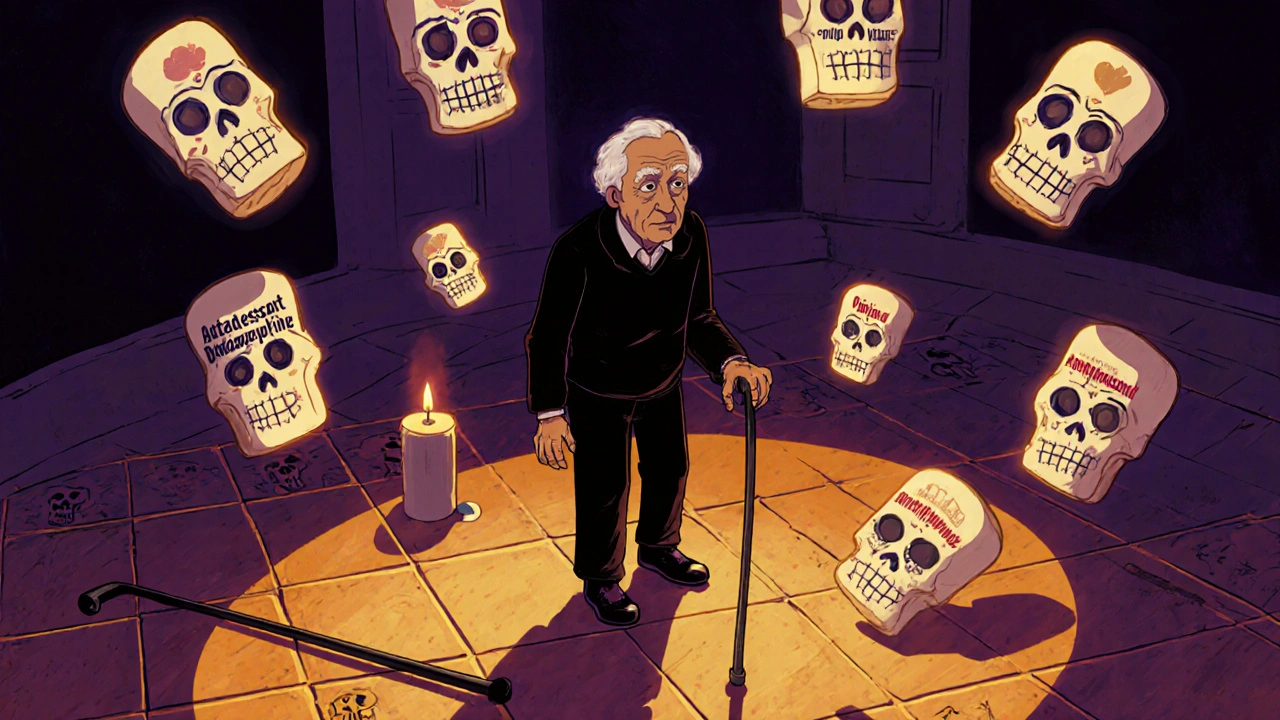
Many seniors fall because of medications they’ve been taking for years. Learn which drugs-prescription and over-the-counter-increase fall risk, how they affect balance, and what you can do to reduce danger.
Read more