
When your lowered seizure threshold, a condition where the brain becomes more easily triggered into seizures. Also known as reduced seizure threshold, it doesn’t mean you have epilepsy—but it does mean something in your body or meds is making seizures more likely. This isn’t rare. It happens when certain drugs, metabolic imbalances, or even withdrawal from alcohol or benzodiazepines push your brain past its normal safety line.
Many common medications can do this. SSRIs, like citalopram and fluoxetine, used for depression and anxiety are a big one. They’re not meant to cause seizures, but in some people—especially at high doses or with other risk factors—they can. Then there’s phenytoin, an old-school anticonvulsant with a narrow safety window. Switching generics here isn’t just risky—it can flip your seizure threshold from stable to dangerous overnight. Even antibiotics, stimulants, and some pain meds can lower the threshold if you’re sensitive or taking multiple drugs at once.
It’s not just about the drug itself. It’s about combinations. A proton pump inhibitor might mess with how an antifungal is absorbed, and that drug’s buildup could tip you over. Or a statin might cause muscle damage that releases toxins into your blood, affecting brain activity. These aren’t theoretical risks. They show up in real patients who suddenly have a seizure after years of taking their meds without issue.
Who’s most at risk? Older adults on multiple prescriptions, people with past brain injuries, those with untreated electrolyte imbalances, or anyone withdrawing from sedatives. If you’ve ever felt a weird twitch, a flash of déjà vu, or a sudden loss of focus that didn’t pass—those could be tiny warning signs. Seizures don’t always look like full-body convulsions. Sometimes they’re just a moment of staring blankly, or a hand that won’t stop moving.
Here’s the thing: you don’t need to panic. But you do need to know. If you’re on any psychiatric meds, antifungals, painkillers, or heart drugs—and especially if you’ve had even one unexplained episode like this—you should talk to your doctor. Ask: "Could any of my meds be lowering my seizure threshold?" Don’t assume it’s "just stress" or "getting older." It might be something fixable.
The posts below dig into exactly this. You’ll find real cases where antidepressants triggered mania and seizures in bipolar patients, how phenytoin levels can swing dangerously with generic switches, and why mixing common supplements with blood thinners can quietly set off neurological chaos. These aren’t abstract warnings. They’re stories of people who didn’t know the risk until it was too late. The goal here isn’t to scare you—it’s to help you ask the right questions before something happens.
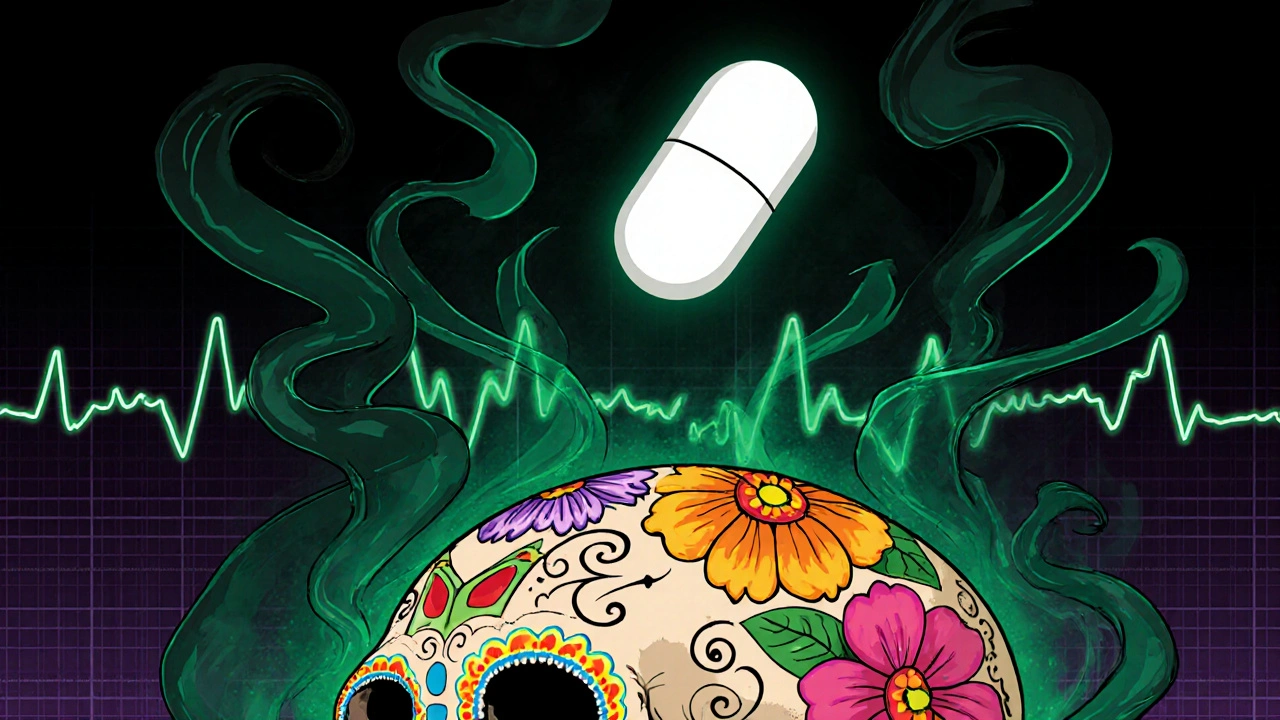
Tramadol can trigger seizures even at normal doses, especially in people with seizure disorders. Learn why it's dangerous, who's at risk, and what safer pain relief options exist.
Read more