
When a pharmacist checks your prescription before handing it over, they’re doing something simple but life-saving: prescription verification, the process of confirming that a medication order is accurate, safe, and appropriate for the patient. It’s not just about counting pills—it’s about catching errors before they hurt you. This step stops mix-ups between similar-sounding drugs like clomipramine and citalopram, prevents dangerous combos like proton pump inhibitors acid-reducing drugs that can block absorption of key antifungals with itraconazole an antifungal that fails when PPIs are taken together, and makes sure someone with a seizure disorder doesn’t get tramadol a painkiller that lowers the seizure threshold by accident.
Prescription verification isn’t just a pharmacy ritual—it’s a system built on layers of checks. Pharmacists look at your full meds list, not just the new script. They spot when phenytoin a narrow therapeutic index drug where tiny dose changes cause toxicity is switched to a generic without monitoring levels. They catch when someone on blood thinners picks up turmeric a supplement that boosts bleeding risk when mixed with anticoagulants or when a senior’s list includes three drugs that each raise fall risk. The Beers Criteria a list of potentially inappropriate medications for older adults is one tool they use. Others rely on drug interaction databases, patient history, and plain old common sense.
It’s not always perfect. Sometimes the system misses things—especially when patients get meds from multiple doctors or buy supplements online. But when it works, it prevents hospitalizations, reverses side effects like medication-induced hair loss a common but often ignored reaction to antidepressants and arthritis drugs, and keeps people on the right treatment. That’s why verification matters most for drugs with tight safety margins: insulin where timing and dose affect blood sugar dangerously, anticoagulants where small changes can cause bleeding or clots, and antipsychotics that can cause metabolic or movement disorders. You don’t need to be a doctor to understand this: if a pill could kill you if taken wrong, someone should check it twice.
What you’ll find below isn’t just a list of articles—it’s a collection of real cases where prescription verification made the difference. From why switching generic phenytoin can trigger toxicity if levels aren’t monitored is risky, to how Medicare Part D the federal drug plan that covers nursing home meds handles coverage gaps, these posts show the hidden battles behind every filled script. You’ll learn what doctors don’t always tell you about generic prescribing when it’s safe and when it’s not, how IVIVC lab-based testing that replaces human bioequivalence trials affects drug quality, and why deprescribing the careful removal of unnecessary meds is just as important as prescribing. This isn’t theory. These are the mistakes that happen—and how to stop them.
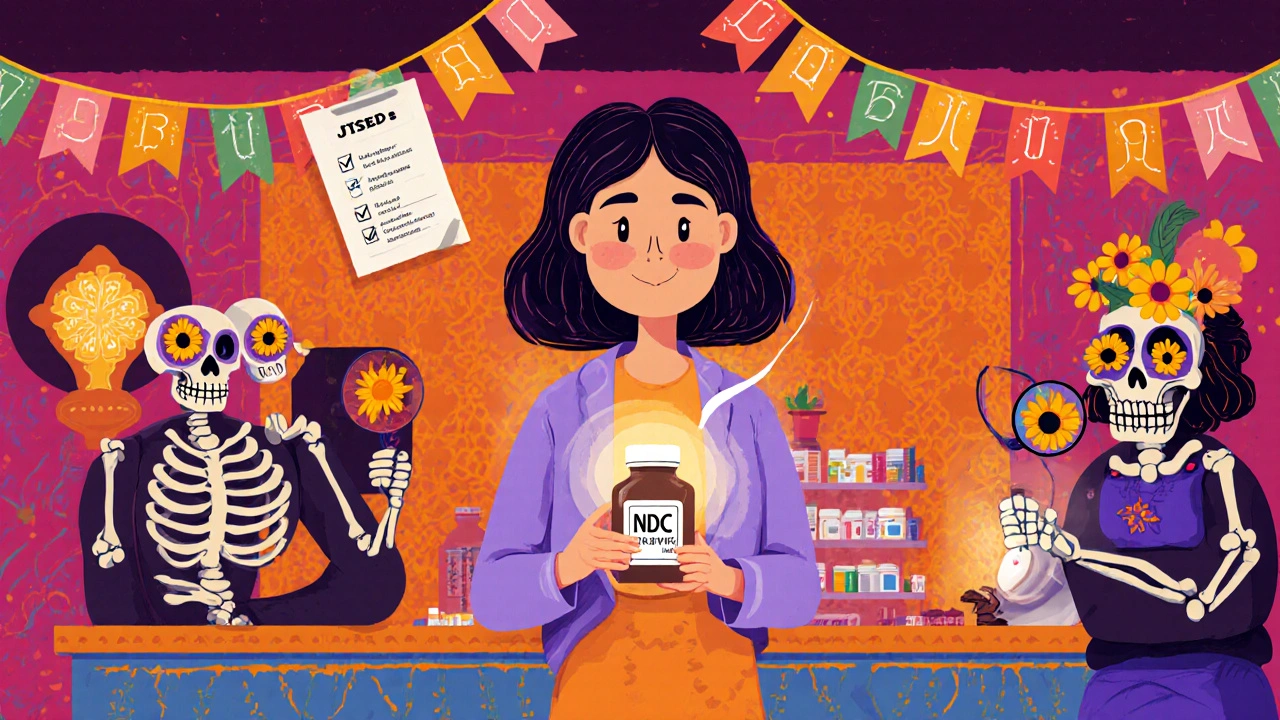
Learn how to verify your prescription at the pharmacy with a simple 7-step checklist to prevent dangerous medication errors. Protect yourself with facts, not assumptions.
Read more