
When you take a medicine, it doesn't always behave the same way in your body as it does in a lab. That's where therapeutic drug monitoring, the process of measuring drug concentrations in the blood to ensure they stay in the safe and effective range. Also known as TDM, it's not just for hospital patients—it's a quiet but powerful tool that helps doctors avoid underdosing or overdosing you, especially with drugs that have a narrow window between helping and hurting.
Drugs like lithium for bipolar disorder, warfarin for blood thinning, or certain antibiotics and seizure meds don't follow simple rules. One person might need 300mg a day to feel better, while another needs 600mg—or 200mg could make them sick. That’s why blood tests for meds, routine lab checks that track how much of a drug is circulating in your bloodstream are so important. These aren’t random tests. They’re scheduled based on how your body absorbs, breaks down, and clears the drug. If you’re on long-term treatment, your doctor might check your levels after a few weeks, then again if your dose changes or if you start a new medicine that could interfere.
dosing adjustments, the process of changing a medication’s amount or timing based on blood test results are the whole point of therapeutic drug monitoring. It’s not about guessing anymore. It’s about data. For example, if your blood level of digoxin is too high, you could get heart rhythm problems—even if you feel fine. If it’s too low, your heart failure might get worse. TDM catches that before you do. It’s also critical when you have kidney or liver problems, are elderly, or are taking multiple drugs that interact. Even something as simple as switching from brand to generic can trigger a need for a level check, because absorption isn’t always identical.
What you’ll find in the posts below isn’t just theory. These are real-world stories and guides from people who’ve been through it: how a simple blood test caught a dangerous interaction between an antifungal and a stomach acid reducer, why a senior’s fall risk spiked after a new medication wasn’t monitored, how insulin doses shift across time zones, and why some people lose hair after starting an antidepressant—because their drug levels weren’t tracked. This isn’t just for doctors. It’s for anyone who takes meds long-term, manages a chronic condition, or cares for someone who does. You don’t need to understand every lab result. But knowing that these tests exist—and asking if they’re right for you—could change everything.
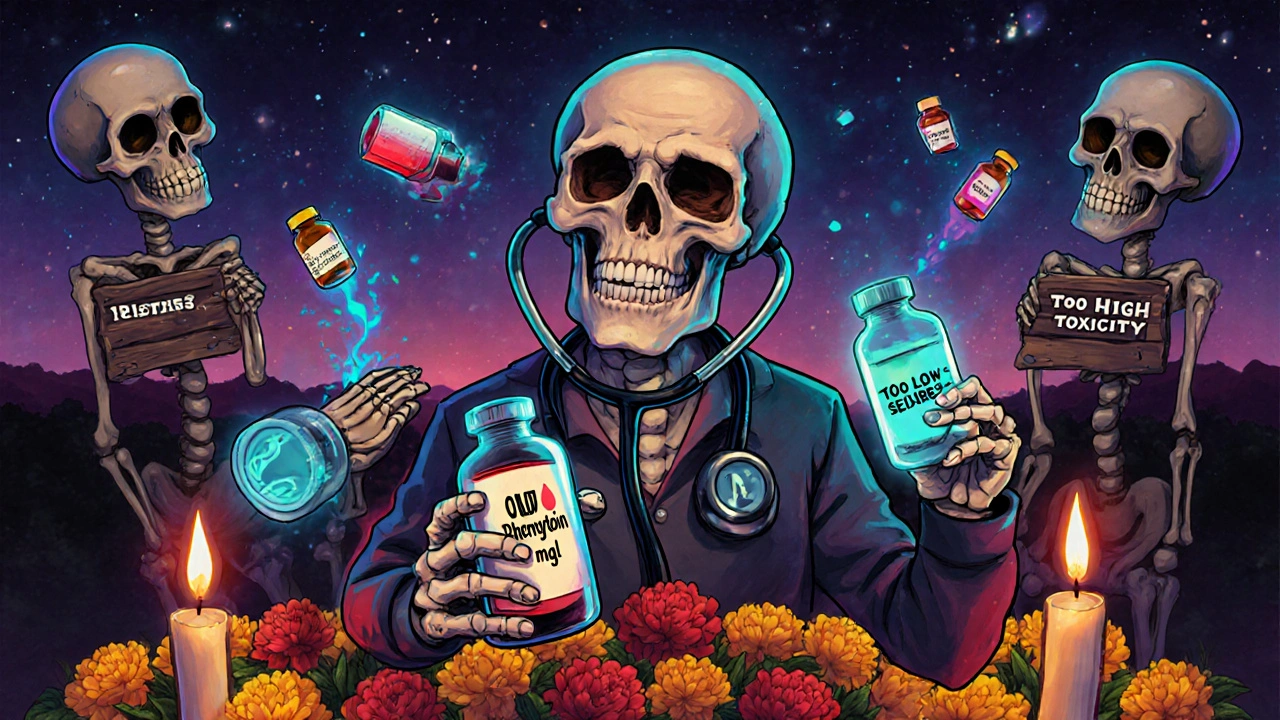
Switching phenytoin generics can be dangerous due to its narrow therapeutic window and non-linear metabolism. Learn when and how to monitor levels, interpret free vs. total concentrations, and avoid life-threatening toxicity.
Read more