

What Is Actually Happening in Your Neck?
You run your hand over your throat and feel something different. It isn’t just swelling; it is a distinct lump. That sensation usually signals a Goiter, which is an abnormal enlargement of the thyroid gland that creates a visible bulge in the neck. While it sounds alarming, many people live with this condition for years before realizing it exists. Historically, this was a common problem worldwide, but modern medicine changed everything thanks to salt. Today, understanding the link between this enlargement and nutrition is vital for managing your health.
The thyroid sits low on your neck, right under your Adam’s apple. In a healthy adult, this butterfly-shaped organ weighs about 15 to 20 grams. When it develops a goiter, it can swell to 50 or even 100 grams. This growth squeezes nearby structures, potentially making breathing difficult or causing your voice to sound hoarse. The National Institutes of Health documented these physical changes extensively, noting that compression affects swallowing mechanics significantly.
The Critical Role of Iodine
Why does this swelling happen in the first place? For decades, doctors puzzled over the cause until they discovered iodine. Without enough of this trace element, your body cannot produce thyroid hormones efficiently. The gland tries to compensate for the lack of production by getting bigger, much like a factory expanding its floor space to make more product with fewer raw materials.
Iodine serves as a crucial mineral required for the synthesis of thyroid hormones T3 and T4. Research shows that iodine deficiency accounts for approximately 90% of goiter cases globally in regions lacking iodized salt programs. A landmark study conducted by Dr. David Marine in 1917 demonstrated this connection by preventing goiters in Ohio schoolgirls through supplementation. Despite these advances, 1.9 billion people remain at risk for deficiency disorders as of recent global data.
In the United States, the landscape looks different. We have had standard iodized table salt since the 1920s. Because of this public health success, simple iodine deficiency is now less common here compared to developing nations. However, other triggers have taken their place. If you are reading this in Seattle, you likely get enough iodine in your salt shaker, but you still need to consider other factors.
Autoimmune Triggers and Other Causes
Since iodine levels are generally sufficient in Western countries, doctors look elsewhere when they find an enlarged gland. The American Thyroid Association identifies autoimmune disorders as the predominant cause in the U.S. specifically Hashimoto's Thyroiditis. In this chronic condition, your immune system mistakenly attacks the thyroid tissue, causing inflammation and swelling over time. This represents the most frequent etiology for goiters seen in American clinics today.
Another possibility involves Graves' Disease. This condition forces the thyroid to work overtime, producing too much hormone. The stress causes the gland to hypertrophy, leading to a toxic goiter. Unlike Hashimoto’s, which slows metabolism, Graves’ often accelerates it, creating a mix of weight loss and anxiety alongside the neck lump. Statistics indicate goiter affects about 5% of the U.S. population, with women experiencing it three times more often than men.
| Type | Primary Cause | Trend in Prevalence |
|---|---|---|
| Iodine-Deficient | Lack of dietary iodine | Decreasing globally with salt programs |
| Hashimoto’s Related | Autoimmune inflammation | Increasing in developed nations |
| Toxic Nodular | Hormone overproduction | Common in older adults |
Age also plays a role. Incidence rates climb after you turn 40. If you are over middle age and notice a change in neck size, you should not assume it is just aging. The Merck Manual documents higher prevalence in older demographics, suggesting regular screening is wise for those at risk.

Spotting the Signs Early
Sometimes the swelling is obvious. Other times, it remains hidden behind the collarbone until it presses against your trachea. You should watch for difficulty swallowing solid foods, shortness of breath when lying flat, or persistent coughing that won’t resolve. These compressive symptoms signal that the volume has exceeded safe limits.
Medical professionals diagnose these issues using ultrasound measurements. An American Thyroid Association guideline considers volumes over 25 mL abnormal. Blood tests check thyroid-stimulating hormone (TSH) levels. High TSH indicates your pituitary gland is screaming at your thyroid to work harder, signaling hypothyroidism. Low TSH suggests hyperthyroidism. Combining imaging with lab results gives a complete picture of your function versus structure.
Choosing the Right Treatment Path
Not every goiter requires immediate surgery. The approach depends entirely on the root cause. If your issue stems from iodine supplementation needs, simply adjusting your diet often fixes the problem. Clinical guidelines show that taking 150 mcg daily can reduce thyroid volume by 30-40% within a year for those who are deficient.
However, if you have Hashimoto’s thyroiditis, replacing hormones works differently. Doctors prescribe Levothyroxine. This synthetic hormone normalizes your levels but only shrinks the goiter by about 10-20%. The fibrotic scarring prevents full reversal. Most patients need lifelong management rather than a quick cure.
For toxic goiters driven by Graves’ disease, medications like methimazole suppress hormone production. They typically reduce volume by 40-60% over 12 to 18 months. In severe cases where conservative treatments fail, intervention becomes necessary.
- Radioactive Iodine: Doses of 5-15 mCi effectively shrink the gland by half but carry a high risk of permanent hypothyroidism. About 80% of patients end up needing hormone replacement afterward.
- Surgery: Total thyroidectomy removes 30-40 grams of tissue on average. It is reserved for very large goiters exceeding 80-100 mL or those causing breathing obstruction.
Data from Cleveland Clinic treatment outcomes highlights that radioactive therapy works well but changes your hormonal baseline forever. You must weigh the benefit of shrinking the mass against the burden of daily medication for the rest of your life.
Nutrition and Daily Management
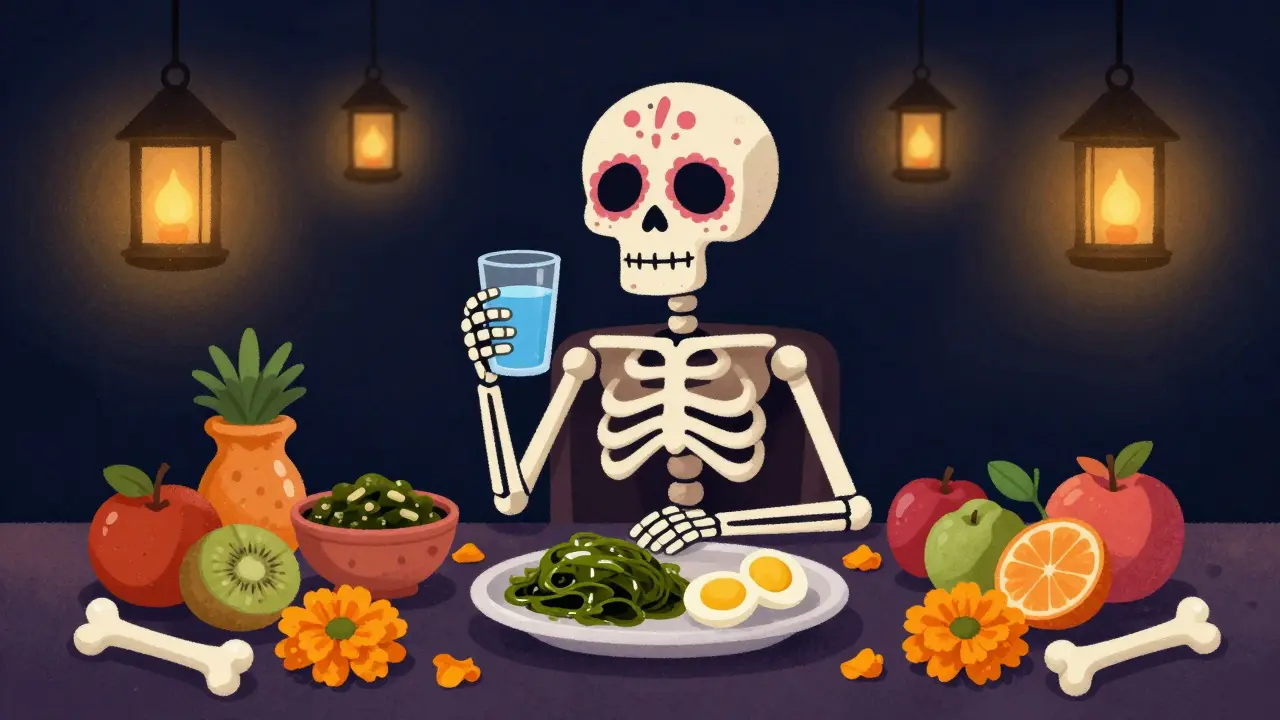
Diet plays a massive role in maintaining thyroid balance. Foods like seaweed provide natural iodine, but consuming too much can trigger toxicity. Balance is key. The Recommended Dietary Allowance stands at 150 mcg for adults. During pregnancy, this requirement jumps to 220 mcg, rising further to 290 mcg during lactation.
Some patients ask about selenium supplements hoping to boost results. Evidence here is mixed. A 2021 Cochrane Review found no significant benefit for general goiter reduction, though European guidelines suggest potential help for specific autoimmune cases. Do not add random vitamins without checking your actual levels first.
Patient experience data reveals satisfaction varies wildly by treatment type. Roughly 78% of people feel good about iodine corrections, while surgical outcomes drop to 42% due to complications like voice changes or calcium dips. Knowing these statistics helps you set realistic expectations before choosing a path.
Frequently Asked Questions
Can a goiter disappear on its own?
Simple iodine-deficient goiters often resolve completely within 1-2 years if you fix your diet or start supplements. However, autoimmune-related goiters usually require long-term management and rarely return to zero size.
Is iodized salt enough to prevent goiter?
For most people in the U.S., yes. Iodized salt contains about 45 mcg of iodine per gram. Eating standard meals typically provides the recommended 150 mcg daily intake without needing extra pills.
When is surgery considered necessary?
Surgery becomes necessary when the goiter exceeds 80-100 mL in volume or presses on your windpipe, causing breathing issues. It is also the choice if cancer is suspected or medication fails.
Does stress cause a goiter?
Stress does not directly cause goiter, but it can influence autoimmune activity. Conditions like Hashimoto’s involve immune regulation, which stress can impact indirectly over time.
How do doctors measure thyroid volume?
Doctors use ultrasound imaging to calculate the volume. Anything over 25 mL is generally considered abnormal and indicative of a potential goiter development requiring monitoring.






8 Comments
Joseph Rutakangwa April 1, 2026
This information is extremely helpful for anyone dealing with thyroid concerns
Will Baker April 3, 2026
Interesting how salt became the hero in every modern medical story
Most people just swallow whatever advice gets sold to them on TV news
I wonder if they tell the full truth about chemical interference in glands
Probably not since it requires less work to stay ignorant about health
Dee McDonald April 4, 2026
You must prioritize your health above any work obligations today.
Ignoring swelling is a dangerous mistake many people make repeatedly.
Action is required immediately to prevent further damage to your body.
Do not wait until your breathing becomes compromised significantly.
Thyroid issues demand respect and prompt medical investigation always.
Checking labs provides clarity on whether hormones are functioning well.
You have the power to manage this condition effectively with discipline.
Avoid delaying appointments just because you feel fine right now.
Symptoms often hide until the damage is already extensive and serious.
Proactive steps today save you from major surgeries tomorrow.
I urge you to consult a specialist who knows thyroid anatomy deeply.
Standardized testing detects problems before they become life threatening.
Your commitment to wellness will yield stronger results over time.
Stay focused on maintaining balance within your endocrine system daily.
Believe in your ability to overcome obstacles standing in your way.
Aysha Hind April 5, 2026
Governments rarely admit how much industrial waste contaminates our soil.
Iodized salt is merely a bandaid for a broken nutritional ecosystem.
Fluoride in tap water directly competes with iodine for cellular uptake.
The pharmaceutical industry profits massively from perpetual thyroid dysfunction.
Doctors are trained to prescribe pills rather than fix food sources.
Independent research suggests heavy metals trigger autoimmune responses strongly.
Mainstream media silences effective natural alternatives to synthetic hormones.
Population control requires keeping citizens reliant on hospital visits constantly.
Historical archives show thyroid rates dropped only when diets were organic.
Modern processing destroys nutrients that naturally protected glandular tissue.
Water filtration systems are inadequate against invisible chemical pollutants.
Corporate interests dictate which treatments get approved for public use.
Patients are manipulated into lifelong dependency on endocrine medications easily.
True freedom requires reclaiming knowledge suppressed by regulatory agencies now.
Question everything you read in standard medical textbooks blindly.
Lawrence Rimmer April 7, 2026
That perspective seems overly cynical without concrete proof backing it up
Maybe we should focus on solutions rather than assigning blame everywhere
Life tends to continue regardless of our theories about hidden agendas
Just eat healthy and hope the system works for you somehow
Hudson Nascimento Santos April 8, 2026
Physical ailments often mirror internal states of being disconnected
The thyroid sits centrally like a bridge between thought and action
Perhaps enlargement signifies a blockage in expressing true self
Finding peace resolves tension manifesting physically in the neck area
Dipankar Das April 9, 2026
Individuals must recognize the severity of unchecked thyroid enlargement.
Medical consensus confirms that neglect leads to respiratory failure eventually.
Adherence to prescribed levothyroxine doses stabilizes metabolic rates efficiently.
Diagnostic imaging quantifies the extent of nodular formations accurately.
Early surgical intervention is mandatory for masses exceeding safe thresholds.
Radioactive iodine remains a potent tool for reducing glandular volume.
Patients are responsible for tracking symptoms consistently during recovery.
Nutritional deficiencies must be corrected via targeted supplementation plans.
Genetic predispositions necessitate heightened monitoring for high-risk populations.
Healthcare providers expect full cooperation regarding follow-up examinations.
Quality of life diminishes rapidly without appropriate clinical management strategies.
Educational resources should be consulted before making any treatment decisions.
Financial planning may be necessary for covering surgical procedure costs.
Social support networks facilitate psychological adjustment to chronic conditions.
Diligent care guarantees optimal functional outcomes for endocrine disorders.
Hope Azzaratta-Rubyhawk April 10, 2026
Success hinges upon rigorous compliance with established medical protocols.
One cannot underestimate the value of regular professional assessments.
Negligence compromises future health prospects irreversibly and permanently.
Diagnostic accuracy depends on honest reporting of all relevant symptoms.
Treatment efficacy improves dramatically when lifestyle factors align with therapy.
Persistent monitoring identifies recurrence risks before they escalate critically.
Patient education empowers individuals to participate actively in care planning.
Community advocacy strengthens the voice of those facing similar struggles.
Evidence-based practices reduce uncertainty surrounding treatment options available.
Preventative measures cost significantly less than emergency surgical corrections.
Maintaining stable hormone levels protects cardiovascular health substantially.
Cognitive function improves noticeably once metabolism normalizes appropriately.
Emotional resilience assists in enduring the demands of long-term management.
Collaboration between specialists ensures comprehensive holistic health oversight.
Commitment to self-care determines longevity and vitality moving forward.