
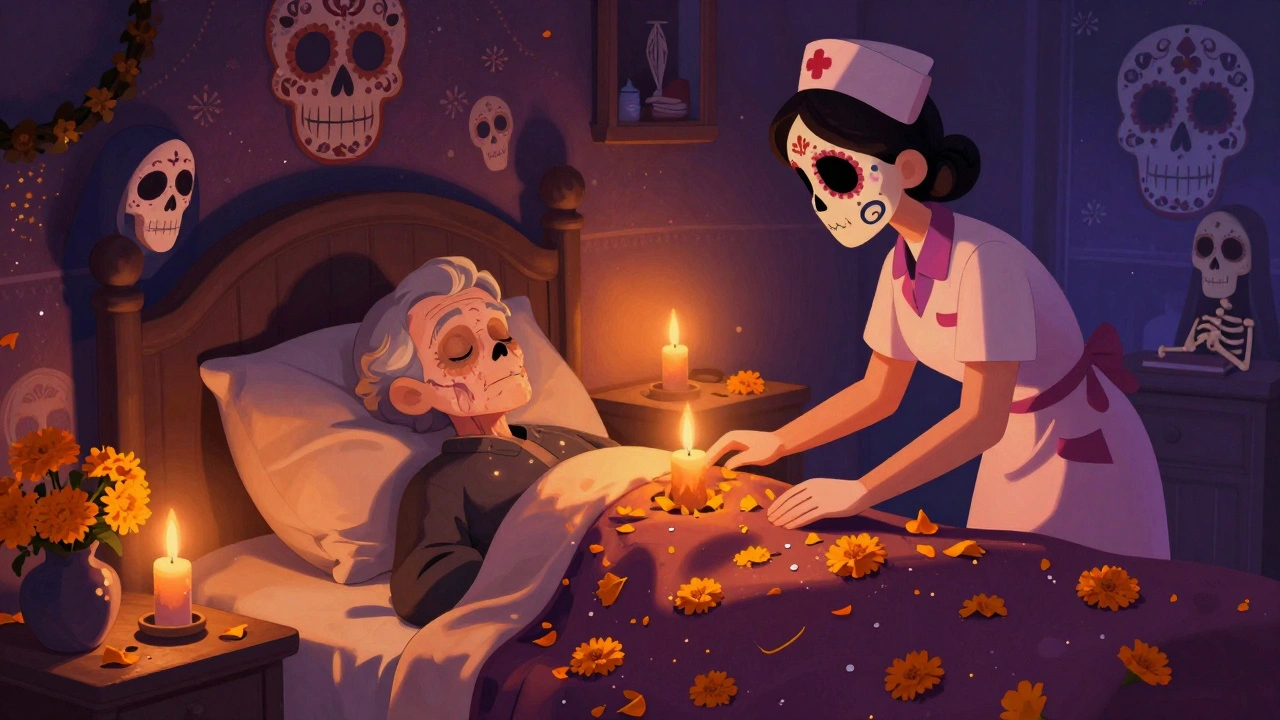
Palliative Care Symptom Management Calculator
Symptom Management Tool
This tool helps you understand how to manage common palliative care symptoms while balancing relief with potential side effects. Remember: Start low, go slow.
Recommendation
Key Considerations: When managing symptoms in palliative care, it's important to balance relief with potential side effects. Always assess if the treatment is actually helping or just causing sedation. Remember: "Start low, go slow" is the standard approach for opioid management.
When someone is living with a serious illness, the goal isn’t just to extend life-it’s to make the life they have as comfortable as possible. That’s where palliative care comes in. It’s not about giving up. It’s about focusing on what matters: reducing pain, easing breathlessness, calming anxiety, and helping people feel like themselves again-even when the illness won’t go away.
What’s the Difference Between Palliative Care and Hospice Care?
Palliative care is for anyone with a serious illness, no matter how advanced. You can get it while still receiving chemotherapy, surgery, or other treatments meant to cure. It works alongside your regular care, like a second team that’s focused entirely on your comfort. Hospice care is a type of palliative care-but it’s for people who are no longer seeking curative treatment and have a prognosis of six months or less. It’s not about giving up hope. It’s about shifting focus from fighting the disease to living fully until the end. Both use the same tools: medications, counseling, spiritual support, and practical help. But hospice is more structured, often provided at home or in a dedicated facility, and includes full-time care coordination.Common Symptoms-and How to Manage Them Without Overdoing It
Pain, shortness of breath, nausea, confusion, and anxiety are the most common problems in advanced illness. Each has proven treatments, but each also carries risks if not handled carefully. Pain is the biggest concern. Doctors use a 0-to-10 scale to measure it. A score of 7 or higher means urgent action is needed. Opioids like morphine or oxycodone are first-line treatments. But they can cause drowsiness, constipation, or even breathing trouble if given too fast. The trick? Start low, go slow. Titrate doses based on how the person responds-not on a fixed schedule. Many patients need less than they think. Dyspnea (trouble breathing) is terrifying. Opioids are actually the most effective treatment, even for people without cancer. Studies show they reduce the feeling of breathlessness more than oxygen alone. A low dose of morphine, even 2-5 mg orally, can make a huge difference. Non-drug options like a fan blowing gently on the face or sitting upright near an open window help too. Nausea and vomiting can come from the illness itself, medications, or bowel blockages. Anti-nausea drugs like ondansetron or metoclopramide are common. But if there’s a blockage, steroids like dexamethasone work better than drugs like octreotide-which studies show have little real benefit. And don’t forget: sometimes just changing position or sipping ginger tea helps more than pills. Delirium-sudden confusion, agitation, or hallucinations-is often mistaken for dementia. It’s usually caused by infection, dehydration, or medication buildup. Tools like the CAM-ICU or RASS score help doctors measure it quickly. Haloperidol is the go-to medication, but it’s not for everyone. Older adults are more sensitive. The key is to treat the cause first: check for UTIs, stop unnecessary meds, and make sure they’re hydrated. If you don’t fix the root, you’re just masking the symptom. Anxiety and restlessness are common, especially near the end. Lorazepam (0.5 mg) can calm the mind fast. But too much can make someone too sleepy to talk to loved ones. The goal isn’t to knock them out-it’s to help them feel safe and present. Sometimes just holding a hand, playing familiar music, or having a chaplain sit quietly makes all the difference.The Hidden Risk: Too Much Medication, Too Little Communication
It’s easy to overmedicate when you’re trying to help. A nurse might give another dose of pain medicine because the patient looks uncomfortable. But if they’re already sedated, that extra pill could push them into a deeper sleep-and maybe even slow their breathing too much. That’s why assessment is everything. Every time a drug is given, you need to ask: Is this helping? Or just making them drowsy? Are they still able to smile at their grandchild? Can they say their name? At the University of Pennsylvania, nurses document every dose and every response. If a patient’s RASS score drops below -2 (too sedated), they hold the next dose and call the doctor. That simple habit cut breakthrough symptoms by over half in their pilot program. Families often worry about addiction. But in end-of-life care, addiction isn’t the issue. The body doesn’t crave opioids the way it does with chronic pain. What they need is relief-and the right dose, given at the right time, delivers it without fear.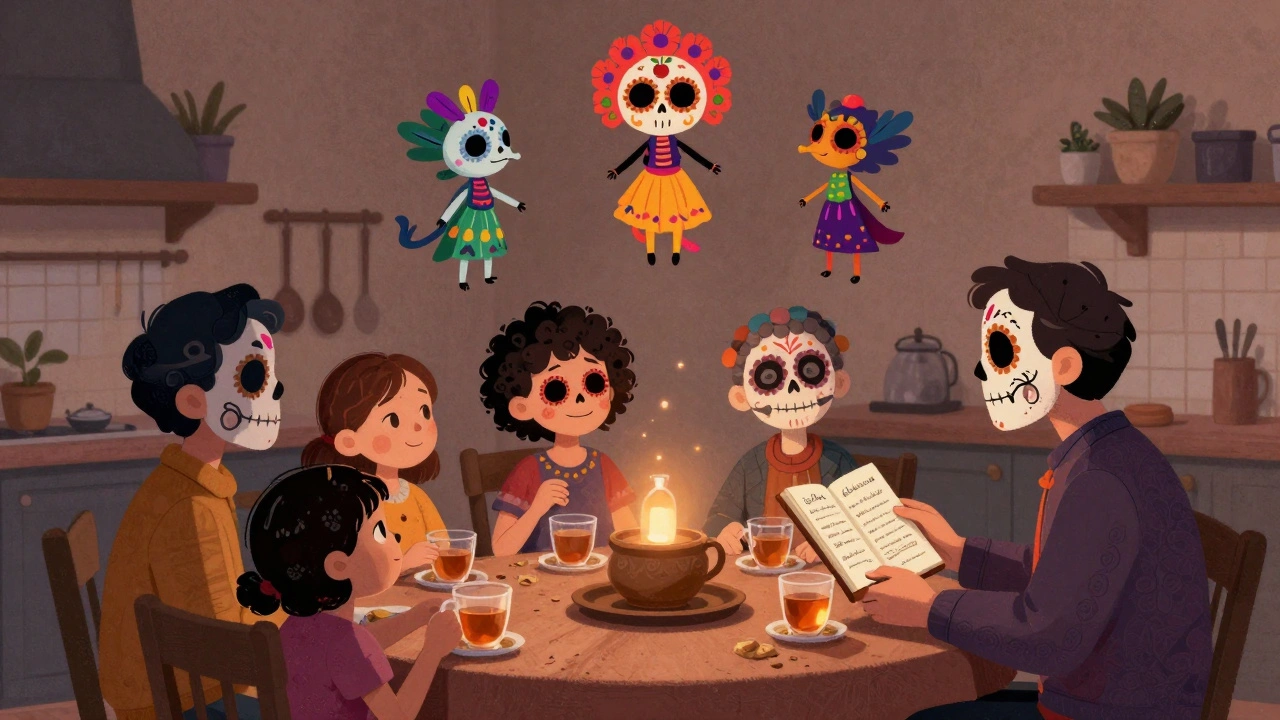
It’s Not Just About Pills
The best palliative care doesn’t just treat symptoms. It treats the whole person. A 2022 study found that patients who had regular spiritual conversations with chaplains reported 40% less physical pain-even though no meds were changed. Why? Because existential distress-worrying about leaving family, feeling like a burden, fearing the unknown-makes physical pain feel worse. Social workers help with practical things: arranging transportation, applying for benefits, talking to employers. They ease the stress that adds to suffering. And then there’s the environment. A quiet room. Soft lighting. A favorite blanket. The smell of lavender. These aren’t luxuries-they’re part of the treatment plan.How to Get Started
If you or someone you love is dealing with a serious illness, don’t wait for someone to bring it up. Ask:- “Can we talk about palliative care?”
- “What can we do to make daily life easier?”
- “Are we doing too much? Are we doing enough?”
What’s Changing in 2025
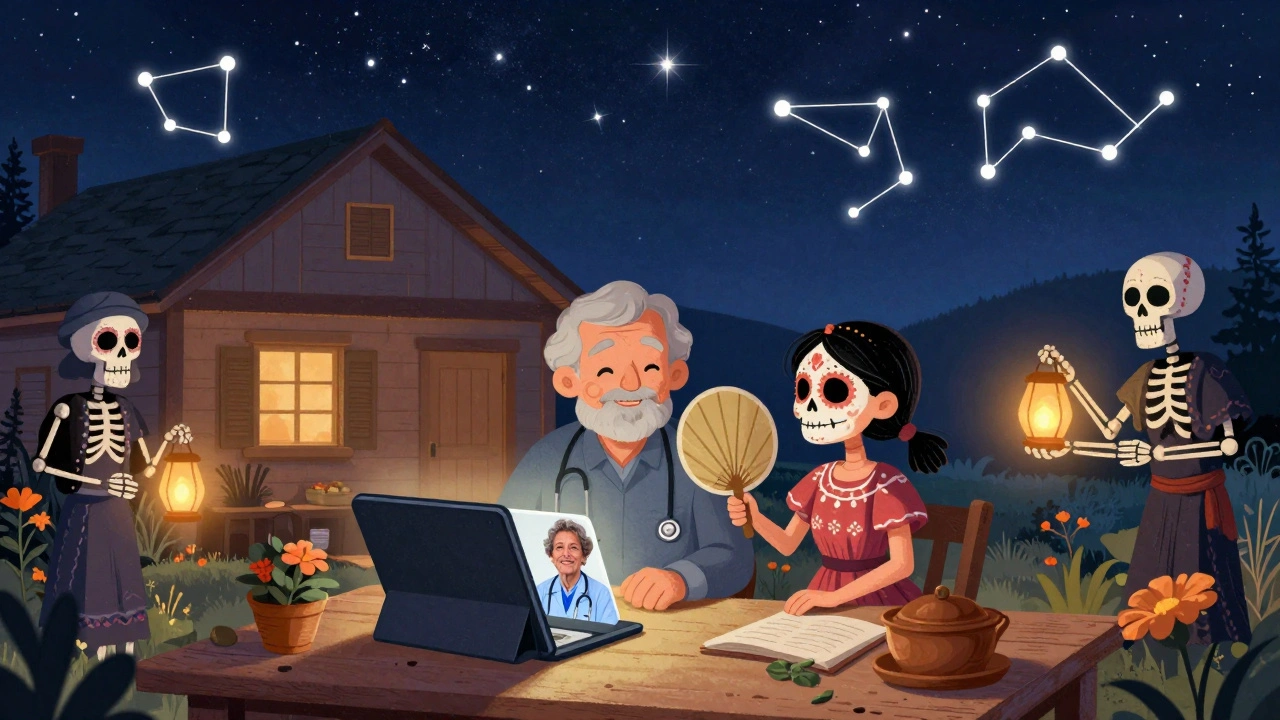
New tools are making care better. Digital apps let patients report pain or breathlessness from their phone. One pilot showed a 18% improvement in symptom control because doctors could adjust meds faster. Tele-palliative care is growing fast. In rural areas, where 55% of counties have no palliative services, video visits are filling the gap. A patient in Montana can now get expert advice without driving three hours. And research is getting smarter. Scientists are now looking at genetic markers that predict how someone will respond to opioids. One study found certain genes explain 63% of why some people need high doses and others don’t. Soon, we might be able to tailor pain meds based on DNA-not trial and error.What to Watch Out For
Not all guidelines are created equal. Some focus only on pain. Others ignore spiritual needs. The gold standard is the National Coalition for Hospice and Palliative Care’s Clinical Practice Guidelines. It covers eight areas: physical, psychological, social, spiritual, cultural, care coordination, ethical issues, and quality improvement. Watch out for this: if a provider says, “We don’t do that here,” or “That’s not covered,” push back. Palliative care is a right-not a perk. Medicare covers it. Private insurance does too. And it’s not expensive-it saves money by reducing ER visits and hospitalizations. Also, don’t let time constraints stop you. Nurses say 68% don’t have time to complete full assessments. But even five minutes of focused listening-asking, “What’s the worst part right now?”-can change everything.Final Thought: Comfort Isn’t Giving Up
Too many people think palliative or hospice care means surrender. It doesn’t. It means choosing a different kind of victory: one where dignity, peace, and presence matter more than prolonging life at all costs. The best outcomes aren’t measured in months lived-but in moments shared. A laugh. A hug. A quiet evening with music. A clear mind to say goodbye. That’s what this care is for. Not to make death easier. But to make life-right up to the end-feel whole.Is palliative care only for cancer patients?
No. Palliative care is for anyone with a serious illness-heart failure, COPD, kidney disease, dementia, ALS, or advanced diabetes. It’s not about the diagnosis. It’s about the suffering. If someone is struggling with pain, breathlessness, fatigue, or anxiety because of their illness, they can benefit from palliative care, no matter what the cause.
Does using opioids mean my loved one is near death?
Not at all. Opioids are used for pain and breathlessness at any stage of illness. Many patients start on low doses early and stay on them for months without any change in prognosis. The goal isn’t to signal the end-it’s to help them live as comfortably as possible today. In fact, studies show that early opioid use improves quality of life without shortening survival.
Can my loved one still go to the hospital if they’re in hospice?
Yes. Hospice doesn’t mean no hospital. If someone has a fall, sudden infection, or severe pain that can’t be managed at home, they can be admitted to the hospital for symptom control. The difference is: the goal shifts from curing to comfort. Hospice teams work with hospitals to make sure care stays aligned with the person’s wishes.
Are side effects from palliative meds worse than the illness?
Not when managed properly. Constipation from opioids? Prevented with stool softeners. Drowsiness? Adjusted by lowering the dose or changing the timing. The biggest risk isn’t the meds-it’s not using them enough. Untreated pain causes stress, sleep loss, and depression. Properly managed, side effects are predictable and fixable. The real danger is letting someone suffer because we’re afraid of medication.
How do I know if it’s time for hospice?
There’s no single sign. But if treatments aren’t working, symptoms are getting harder to control, or the person is spending most days in bed or in pain, it’s time to talk. Ask: “Are we doing this to help them live better-or just to delay the inevitable?” Hospice isn’t about giving up. It’s about choosing to focus on comfort, connection, and peace. A doctor can help you decide-but you have the right to ask.
Can I still get palliative care if I don’t have insurance?
Yes. Medicare covers palliative and hospice care fully. Medicaid does too. Most private insurers cover it. Even if you’re uninsured, many hospitals offer financial assistance or sliding-scale programs. Nonprofits like the Center to Advance Palliative Care provide free resources and can connect you to local services. No one should be denied comfort because of cost.
What if my family disagrees about care?
Disagreements are common. Palliative care teams are trained to mediate. They don’t take sides-they listen. They help families understand what’s realistic, what’s possible, and what the patient would want. Sometimes, just hearing the facts from a neutral expert changes everything. Don’t wait until there’s a crisis. Talk early. Bring in a palliative care provider to help guide the conversation.

9 Comments
Saket Modi December 2, 2025
bro this is literally the most chill read i've had all week 😌 i was just trying to scroll past but now i'm crying at my desk. thanks for not being a robot.
Shubham Pandey December 2, 2025
Opioids for breathlessness? Wild.
Carolyn Woodard December 4, 2025
The neurophenomenology of dyspnea relief through low-dose opioids is profoundly understudied in clinical literature-yet the subjective reduction in interoceptive dread, particularly when paired with environmental modulation (e.g., directed airflow, circadian-aligned lighting), suggests a top-down modulation of the anterior insula’s threat-representation network. It’s not merely pharmacological; it’s a recalibration of embodied suffering. And yet, we still treat it as a binary: administer or withhold. We need a framework that honors the ineffable.
Chris Wallace December 4, 2025
I’ve watched my mom go through this with COPD. They gave her morphine for the breathlessness and she sat up for three days straight, just watching the birds outside. Didn’t say much. Just smiled. That was the first time she’d been present in weeks. I didn’t know opioids could do that. I thought they were just for when you’re dying. Turns out they’re for when you’re still alive enough to notice the light on the curtains. I wish I’d known sooner.
william tao December 5, 2025
The institutionalization of palliative care as a revenue-neutral, Medicare-compliant protocol-while ostensibly compassionate-is, in fact, a systemic capitulation to the biopolitical imperative of cost containment. One cannot help but notice the deliberate linguistic framing: ‘not giving up’ as opposed to ‘accepting mortality.’ This is not care. It is managed decline. And the romanticization of ‘moments shared’ obscures the fact that we have failed to invest in preventative medicine, early intervention, and social determinants of health. This is triage dressed as tenderness.
John Webber December 6, 2025
people act like opioids are the devil but if your grandpa cant even talk cause his pain is at a 9 then what? i mean come on. i saw my uncle on it and he was just chill, watching tv, eating ice cream. not dead. just comfy. stop scaremongering. and yeah the constipation sucks but laxatives exist. duh.
Sandi Allen December 7, 2025
I’ve been saying this for YEARS! The FDA, Big Pharma, and the AMA are ALL in cahoose! They push opioids because they’re profitable-and they silence anyone who asks: ‘Why are we drugging people into silence instead of fixing the root causes?’ Look at the VA! They’ve got veterans on 12 different pain meds-and still can’t sleep! It’s not medicine-it’s chemical sedation to keep the system running! And don’t get me started on ‘spiritual conversations’-that’s just guilt-tripping families into accepting defeat! Wake up, people!
Genesis Rubi December 9, 2025
This is why America is falling apart. We’re too soft. Back in my day, people just suffered quietly. No one needed a chaplain to hold their hand. Just a stiff upper lip and a good whiskey. Now we’re giving morphine to grandma so she can ‘feel safe’? Please. We used to die with dignity. Now we just die… mediated.
John Morrow December 9, 2025
The structural inadequacy of the current palliative care paradigm lies not in its clinical protocols, but in its epistemological exclusion of the patient’s phenomenological narrative. The reliance on RASS scores and CAM-ICU metrics reduces existential distress to quantifiable variables-thereby pathologizing the human condition as a set of treatable symptoms. The fact that a 2022 study found spiritual engagement reduced physical pain by 40% without pharmacological intervention suggests a fundamental misalignment between biomedical reductionism and the lived experience of suffering. Until care models incorporate narrative medicine as a core competency-not an add-on-we are merely administering comfort as a bureaucratic checkbox.