
When we talk about end-of-life care, the support and medical attention given to people in the final stages of a terminal illness. Also known as palliative care at the end of life, it's not about curing disease—it's about keeping people comfortable, respected, and in control. This isn't just for the elderly. People of any age with advanced cancer, heart failure, dementia, or other life-limiting conditions need this kind of care. It’s not a last resort. It’s the right choice when the goal shifts from fighting illness to living well until the end.
Palliative care, a specialized medical approach focused on relieving symptoms and improving quality of life. Also known as comfort care, it can start at diagnosis and run alongside treatments like chemotherapy or surgery. Hospice care, a type of palliative care for people expected to live six months or less. Also known as end-stage care, it’s usually provided at home or in a dedicated facility, with teams that include nurses, social workers, chaplains, and volunteers. These aren’t the same thing. Palliative care can be used anytime. Hospice is for when curative treatment stops. Confusing them leads to delays—people wait too long to get the help they need.
What does end-of-life care actually include? It’s pain management, emotional support, help with breathing or eating problems, and conversations about what matters most. It’s about knowing whether someone wants to stay in the hospital or be at home. It’s deciding if they want a feeding tube, a ventilator, or CPR. That’s where advance directives, legal documents that outline a person’s medical wishes if they can’t speak for themselves. Also known as living wills, they prevent family members from guessing what the person would want. Without them, families often face guilt, conflict, or decisions made under pressure. These documents aren’t about giving up—they’re about holding on to your voice.
People often think end-of-life care means giving up hope. But hope changes shape. It’s not hoping for a cure anymore. It’s hoping for no pain. For a quiet room. For a grandchild’s hand in yours. For a final conversation without fear. That’s the real goal. And it’s not something you have to figure out alone. Pharmacists, nurses, and doctors can help you understand what medications ease symptoms. They can explain how opioids for pain are safe when used properly. They can tell you why some supplements might interfere with comfort care.
There’s no single way to do this right. But there are wrong ways—like waiting until the last week, avoiding the conversation, or assuming the doctor will bring it up. Most won’t. You have to ask. You have to say, "What does this look like in the months ahead?" And then listen. The posts below cover real cases: how families made decisions about feeding tubes, how pain was managed without sedation, how hospice teams helped people die peacefully at home, and why some medications are stopped while others are added. You’ll find practical advice on talking to doctors, filling out forms, and knowing what to expect. This isn’t about fear. It’s about preparation. And it’s never too early to start.
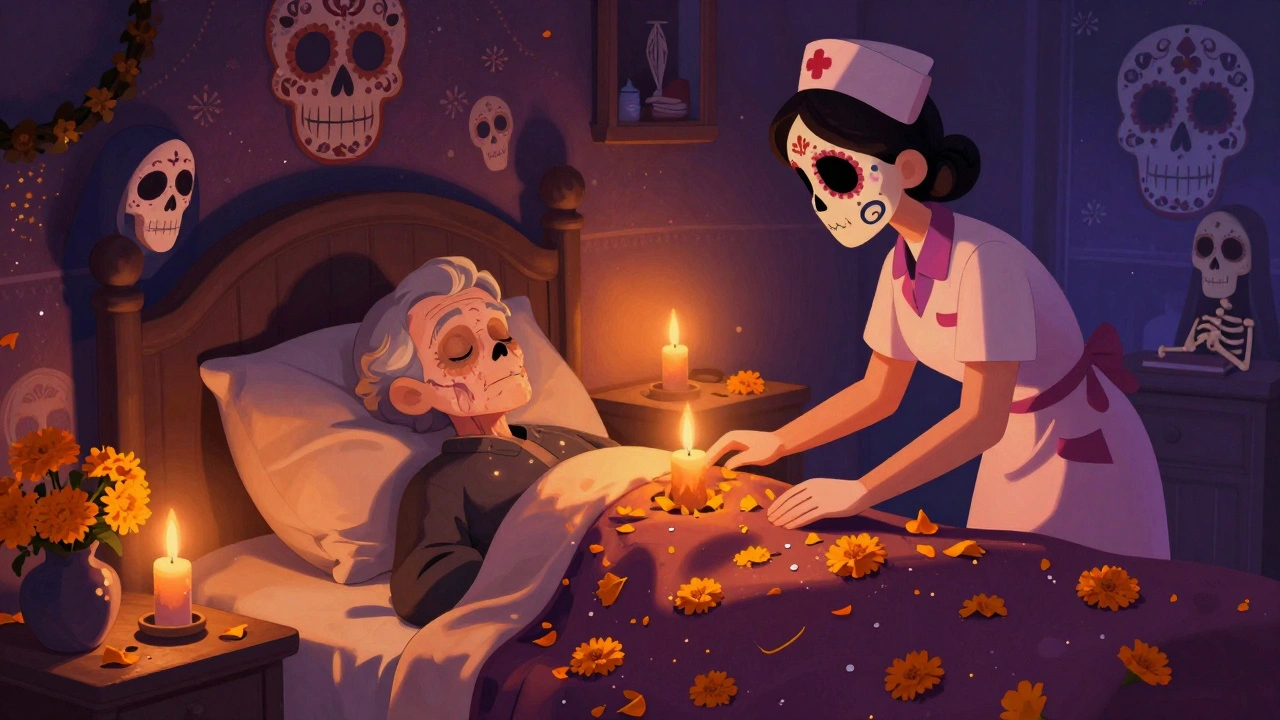
Learn how palliative and hospice care balance symptom relief with side effects to improve comfort and dignity in serious illness. Real strategies for pain, breathlessness, anxiety, and more.
Read more