
When you hear fluoroquinolone risk, a set of serious, sometimes permanent side effects linked to a class of antibiotics including ciprofloxacin and levofloxacin. Also known as FQ antibiotics, these drugs are powerful—but their dangers aren’t always clear until it’s too late. The FDA has issued multiple black box warnings because these antibiotics can cause tendon ruptures, nerve damage, and even aortic aneurysms—even in healthy people. This isn’t rare. Thousands of cases are reported every year, and many patients didn’t know the risks before taking them.
Ciprofloxacin, one of the most commonly prescribed fluoroquinolones, is often given for urinary infections or sinusitis. But it’s not always the safest choice. For older adults, people on steroids, or those with kidney issues, the chance of tendon rupture jumps significantly. Tendon rupture, a sudden, painful tear often in the Achilles tendon can happen within hours or weeks after starting the drug. And once it happens, recovery is slow, expensive, and sometimes incomplete. Nerve damage, called peripheral neuropathy, can cause burning, tingling, or numbness that doesn’t go away—even after stopping the medication.
These risks aren’t just for the elderly. Young athletes, fitness enthusiasts, and even teens have been affected. The problem? Many doctors still prescribe fluoroquinolones too freely—for minor infections that could be handled with safer options like amoxicillin or doxycycline. The FDA now says these drugs should only be used when no other treatment works. That means if your doctor reaches for ciprofloxacin first, ask why. Is it really necessary? Are there alternatives?
What you’ll find in this collection are real, detailed stories and science-backed facts about fluoroquinolone risk. You’ll see how these drugs interact with other medications—like the deadly combo with theophylline—and why some people are far more vulnerable than others. You’ll learn what symptoms to watch for, how to push back on unnecessary prescriptions, and what to do if you’ve already been affected. This isn’t about scare tactics. It’s about giving you the facts so you can make smarter choices with your health.
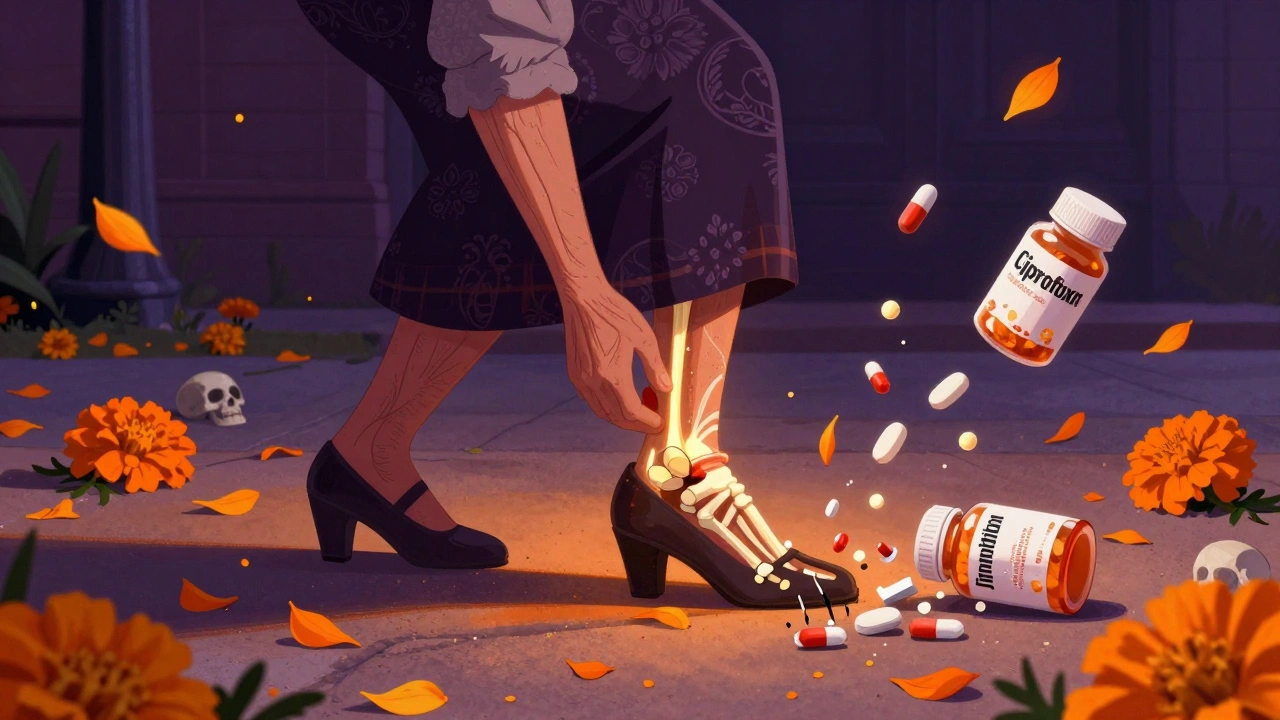
Quinolone antibiotics combined with corticosteroids can increase the risk of tendon rupture by 46-fold, especially in older adults. Learn the signs, who's at risk, and how to avoid this serious, preventable injury.
Read more