
When a drug has a Narrow Therapeutic Index, a small difference between a safe dose and a toxic one. Also known as NTI drugs, these medications leave almost no room for error—take a little too much, and you risk serious harm; take too little, and the treatment fails. This isn’t theoretical. Drugs like warfarin, digoxin, phenytoin, and cyclosporine all fall into this category. They’re used to treat life-threatening conditions—blood clots, heart failure, seizures, organ rejection—but they demand precision.
NTI drugs don’t play nice with other substances. A common antibiotic can spike warfarin levels and trigger internal bleeding. A change in kidney function can turn a safe digoxin dose into a dangerous one. Even switching from one generic brand to another can cause problems, because small differences in absorption matter more with NTI drugs than with others. That’s why verifying your prescription, checking the NDC number, and understanding drug interactions aren’t just good habits—they’re survival skills. The posts below show how these risks show up in real life: from antifungals messing with PPIs to insulin dosing shifting across time zones, the theme is clear—precision matters.
Doctors and pharmacists know this. But patients often don’t. You might not realize your blood thinner is an NTI drug. You might not know that your new generic pill could behave differently than the last one. You might not connect your dizziness to a drug interaction that’s been building for weeks. The good news? You don’t need to be a scientist to stay safe. You just need to ask the right questions, use a simple checklist, and pay attention to how your body responds. Below, you’ll find real-world guides on verifying prescriptions, managing drug interactions, and avoiding common mistakes with high-risk meds. These aren’t theory pages—they’re tools to help you take control before something goes wrong.
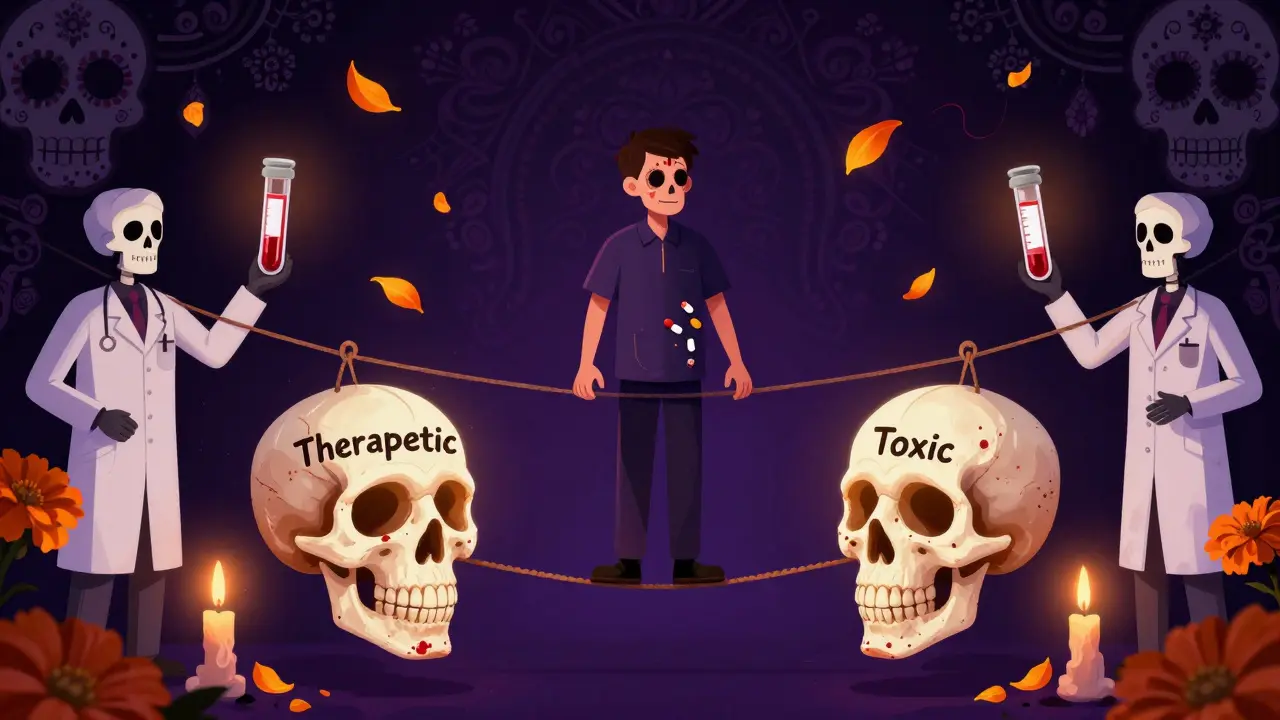
Combination NTI drugs offer powerful treatment for complex conditions but face major barriers to generic availability. With no approved fixed-dose combinations in the U.S., patients face higher costs, increased monitoring, and greater risk of adverse events after generic switches.
Read more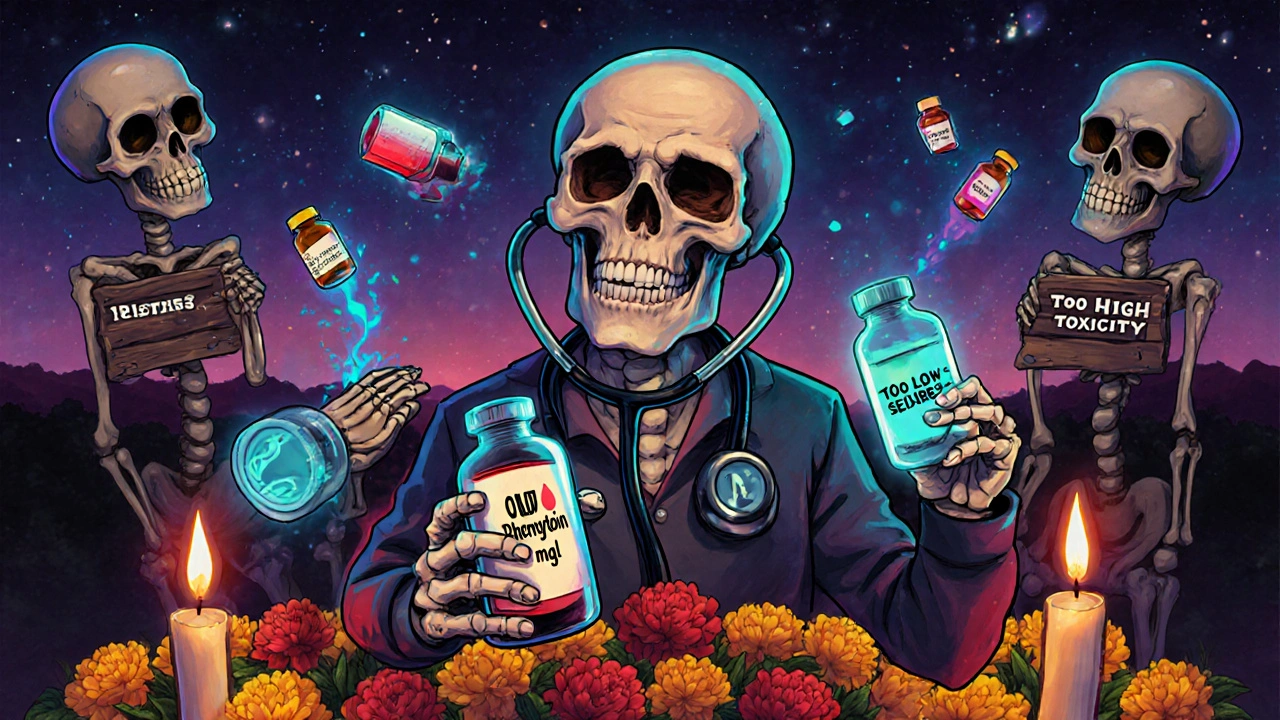
Switching phenytoin generics can be dangerous due to its narrow therapeutic window and non-linear metabolism. Learn when and how to monitor levels, interpret free vs. total concentrations, and avoid life-threatening toxicity.
Read more