
When chronic pain refuses to go away, even after surgery, meds, or physical therapy, spinal cord stimulation, a medical technique that uses mild electrical pulses to interrupt pain signals before they reach the brain. Also known as SCS, it’s not a cure—but for many, it’s the only thing that brings real relief. Unlike opioids that mask pain, SCS targets the root problem: faulty nerve signaling. It’s been used for over 50 years, but modern devices are smaller, smarter, and far more precise.
Spinal cord stimulation works best for neuropathic pain, pain caused by damaged or overactive nerves—like failed back surgery syndrome, complex regional pain syndrome, or diabetic nerve pain. It doesn’t help much with muscle aches or joint arthritis. The device itself is a tiny implant, placed under the skin, connected to leads that sit right against the spinal cord. You control the intensity with a remote. Most people feel a gentle tingling instead of pain—called paresthesia. Newer models don’t even need that tingling to work, using high-frequency pulses that block pain without sensation.
It’s not for everyone. Doctors usually recommend it only after you’ve tried physical therapy, nerve blocks, and at least two types of pain meds without success. You’ll also need a trial first—a temporary setup worn for a week or two to see if your pain drops by at least 50%. If it does, the permanent implant is next. The procedure is minimally invasive, done under local anesthesia, and most people go home the same day.
But here’s what no one tells you: pain management, the broader field of treating long-term pain with non-surgical and surgical tools isn’t one-size-fits-all. What works for one person might do nothing for another. Some get 80% relief. Others get 30%. And a few find the device more annoying than helpful. Battery life, lead movement, and scar tissue can all affect results. That’s why ongoing adjustments with a specialist matter more than the device itself.
Spinal cord stimulation doesn’t replace the need for healthy habits. Staying active, managing stress, and avoiding smoking still make a huge difference. In fact, patients who combine SCS with movement therapy often see the best long-term outcomes. It’s a tool—not a magic button.
There are alternatives too—like dorsal root ganglion stimulation, which targets specific nerves, or intrathecal drug pumps that deliver pain meds directly to the spinal fluid. But for many, SCS remains the most proven option when everything else fails.
In the posts below, you’ll find real-world stories and science-backed facts about spinal cord stimulation—from how it compares to other devices, to what happens when it stops working, to how insurance covers it and what to ask your doctor before signing up. No fluff. Just what actually helps people live better with chronic pain.
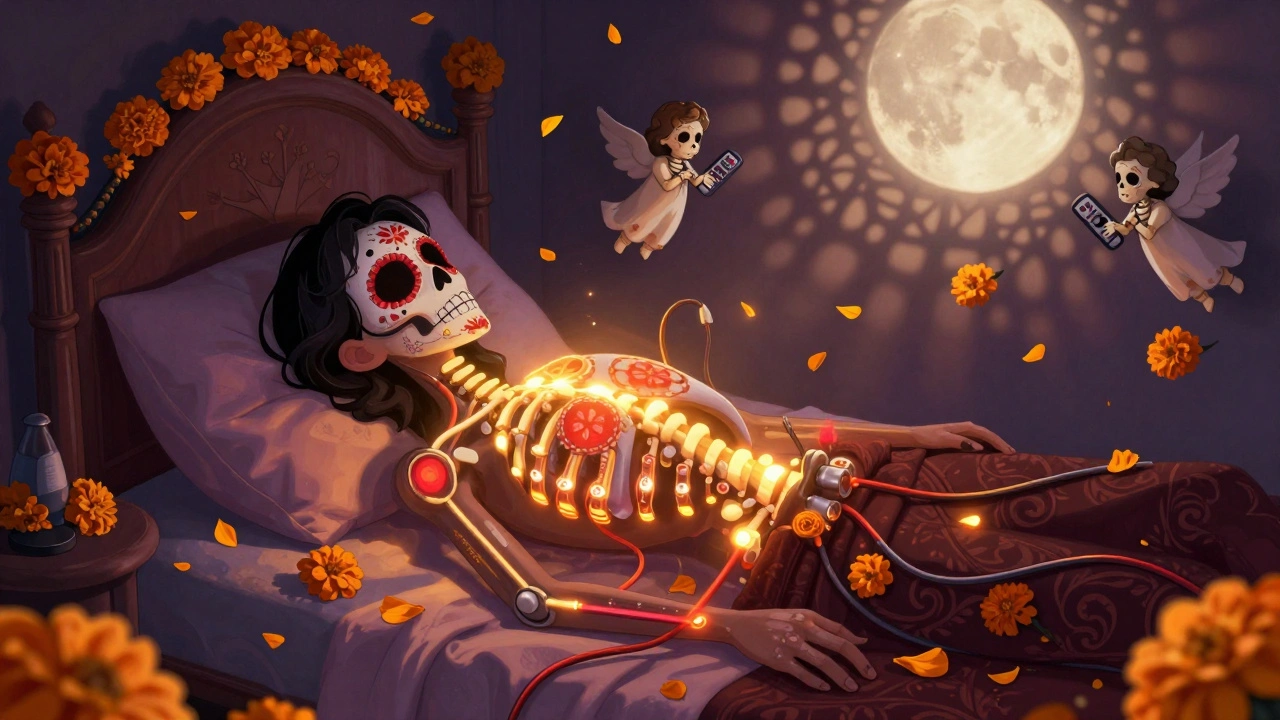
Spinal cord stimulation offers hope for chronic pain sufferers who haven't found relief with drugs or surgery. Learn who qualifies, how it works, and what to expect from this proven neuromodulation therapy.
Read more