
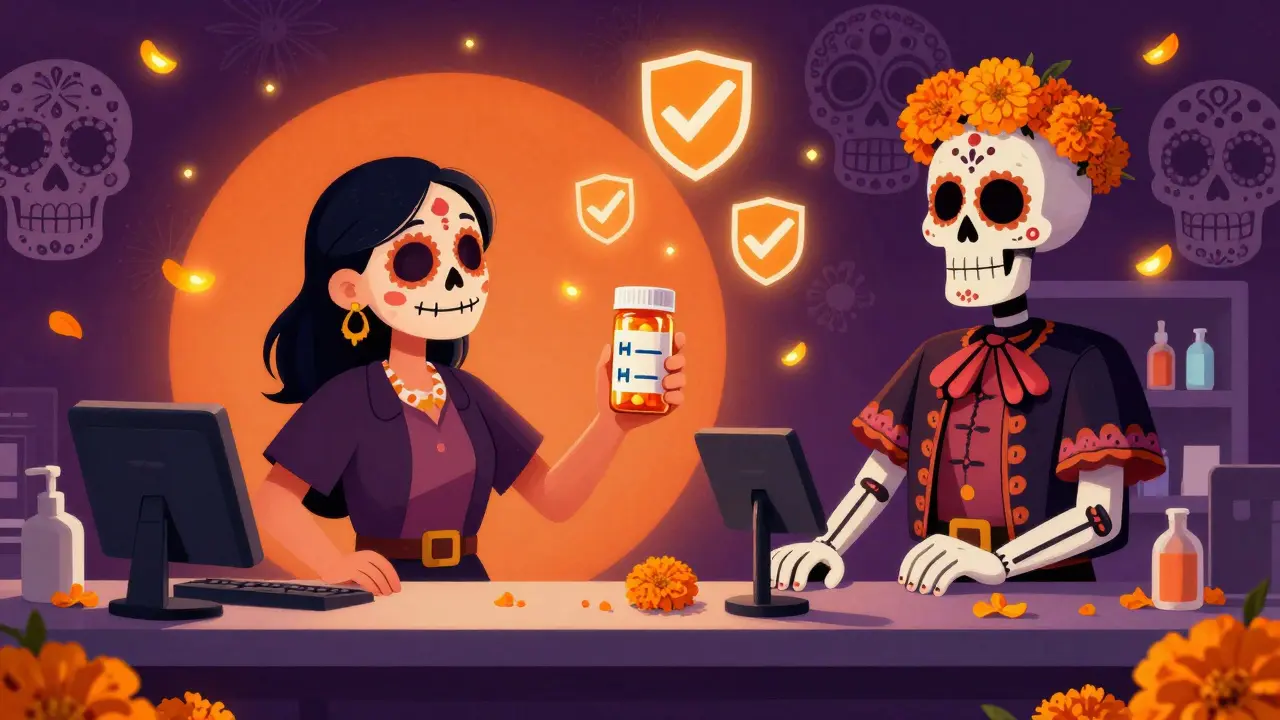
Spotting a problem with your medication isn’t rare-it’s common. Maybe the pill looks different than last time. Maybe the dosage instructions changed without warning. Or maybe you took it at the wrong time and felt off afterward. If something feels wrong, reporting it isn’t just your right-it’s one of the most powerful ways to stop a mistake before it hurts someone else.
Why Reporting Matters More Than You Think
Most people think reporting a medication issue means filing a complaint with the FDA or getting someone in trouble. That’s not the point-at least not at the clinic level. Clinic-based reporting is about fixing systems, not blaming people. According to the Institute for Safe Medication Practices, 87% of preventable medication errors are caught first by frontline staff or patients who speak up. Without those reports, the same mistake keeps happening. A 2021 ECRI Institute study found clinics with strong reporting systems cut medication errors by over 32% in just 18 months.
It’s not about punishment. Federal law-the Patient Safety and Quality Improvement Act of 2005-protects these reports. Anything you share with your clinic can’t be used against you or the staff in court. The goal is to learn: Why did the wrong pill get picked? Was the label unclear? Was the pharmacist rushed? Fix the system, not the person.
What Counts as a Medication Safety Concern?
You don’t need to be a doctor to know something’s off. Here’s what to look for:
- A prescription was filled with the wrong drug, dose, or strength
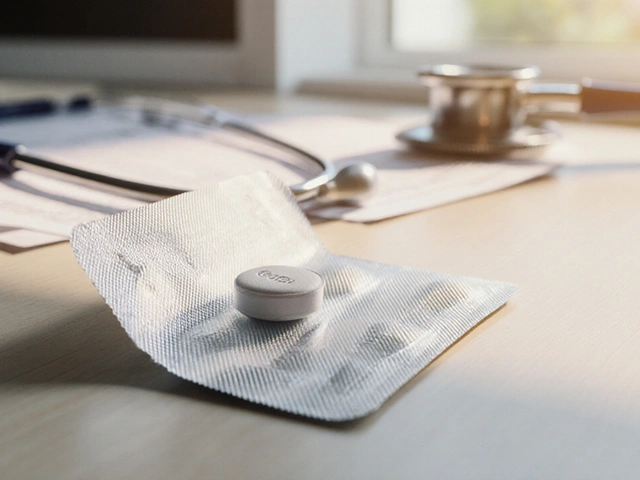
- The pill looks different than your last refill (color, shape, markings)
- The instructions on the bottle don’t match what your provider told you
- You were given a medication you’re allergic to
- You were prescribed a drug that interacts badly with another you’re taking
- You received a medication that expired or looks damaged
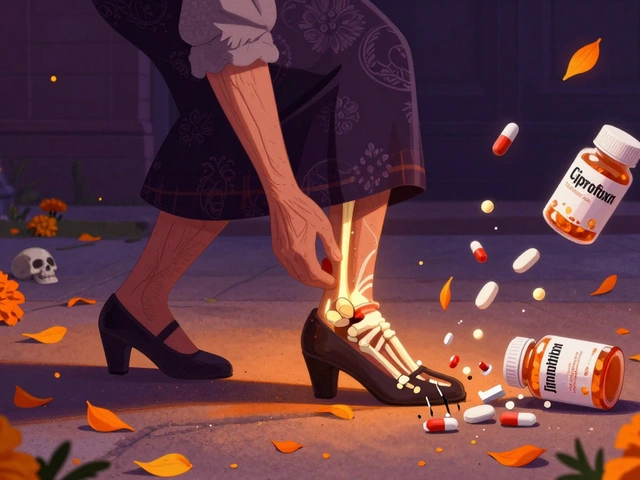
- You were given the wrong medication because of a mix-up with a similar-sounding name (like Lipitor and Lopressor)
- You experienced unexpected side effects after taking it
Even if nothing bad happened yet-like a near-miss where you caught the error before taking it-report it. Those are the most valuable reports. They help clinics stop problems before they reach patients.
How to Report: Step by Step
Reporting doesn’t have to be complicated. Most clinics make it easy. Here’s how to do it right:
- Act fast. The sooner you report, the better. Clinics that get reports the same day fix problems 91% faster, according to ECRI’s 2023 guidelines.
- Write down the details. You don’t need to remember everything perfectly, but try to note: the medication name, dose, how often you were told to take it, when you took it, and what happened. If you have the bottle or packaging, take a photo. That helps staff verify what was dispensed.
- Choose your channel. Most clinics accept reports through:
- Front desk staff (83% of clinics)
- Nursing or pharmacy counter (76%)
- Your online patient portal (68%)
- A dedicated safety hotline (42%)
Don’t wait for a scheduled appointment. If you’re worried, call or go in. You’re not bothering anyone-you’re helping them improve.
- Ask to speak with the Patient Safety Officer. Every accredited clinic in the U.S. has one. They’re trained to handle these reports and won’t dismiss you. If the front desk tries to redirect you to the FDA, say, “I’d like to report this internally so my clinic can fix it.” That’s what the system is built for.
- Expect a follow-up. By law, clinics must acknowledge your report within 24 hours. You should get a detailed response within 72 hours explaining what they found and what they’re changing. If you don’t, follow up.
What Happens After You Report?
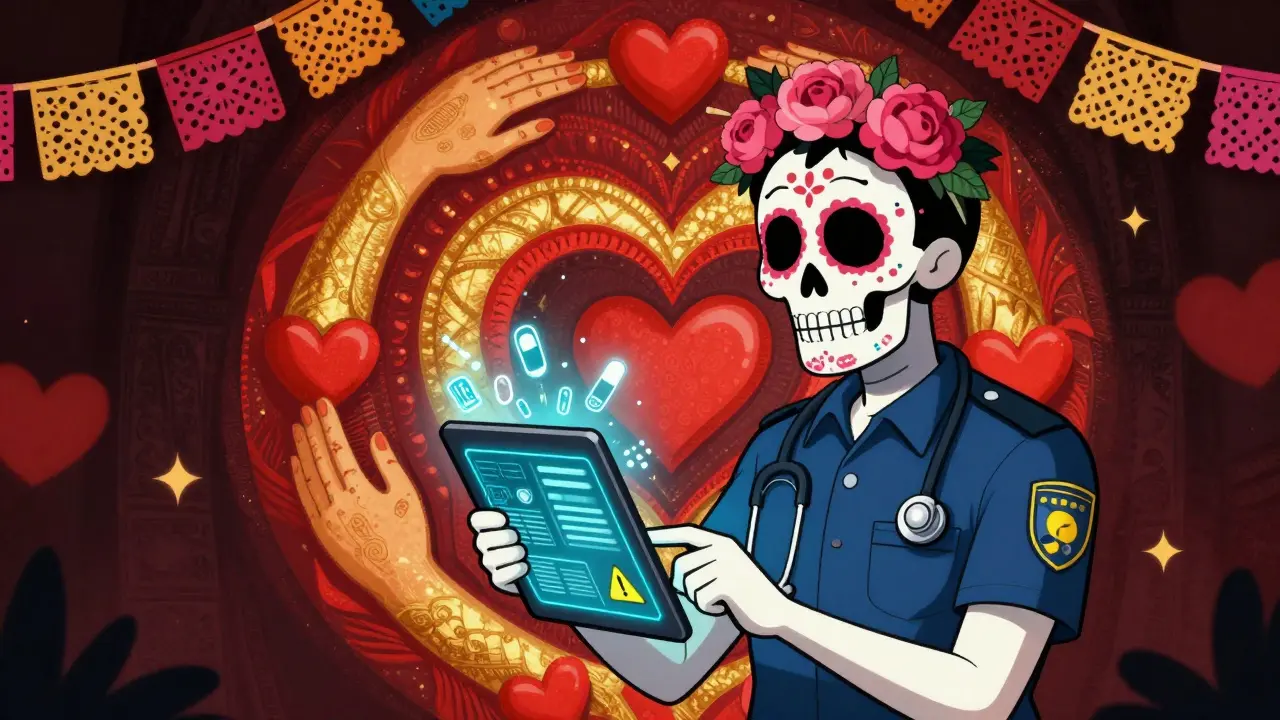
Once you submit your report, it doesn’t just sit in a folder. Here’s what typically happens:
- It’s entered into the clinic’s electronic safety system-usually integrated with your electronic health record.
- A safety officer reviews it within hours, not days.
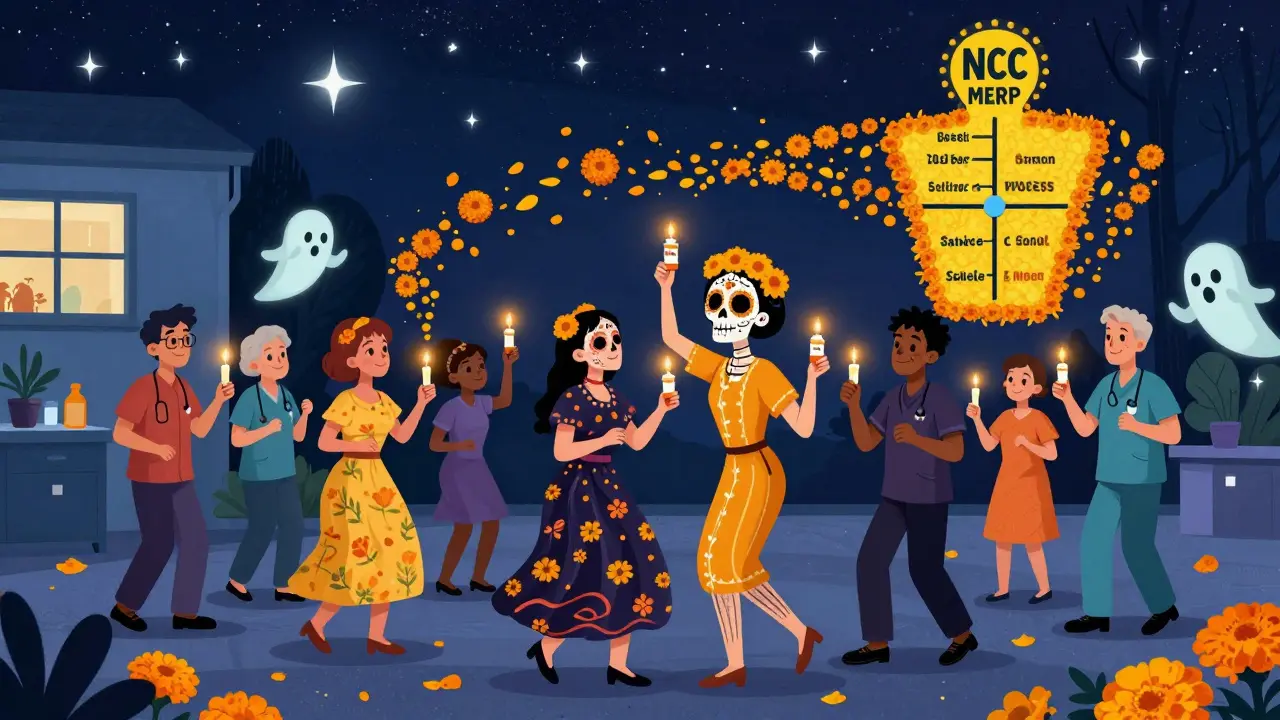
- They use a standardized scale (the NCC MERP Index) to rate how serious it was-from Category A (a chance for error) to Category I (resulted in death).
- The team looks at what went wrong: Was it a labeling issue? A workflow glitch? A miscommunication?
- Changes are made: Maybe the pharmacy switches to barcode scanning, or staff get retrained on high-risk meds.
- You might even get a letter or email explaining what they changed because of your report.
At clinics like Mayo Clinic’s “Speak Up” program, patient reports led to a 210% increase in safety concerns being raised-and a 37% drop in actual medication errors. Your voice changes outcomes.
What If No One Takes You Seriously?
Some clinics still treat these reports as complaints instead of clues. If you’re brushed off, here’s what to do:
- Ask to speak with the clinic manager or administrator. Say: “I reported a safety concern and haven’t received any follow-up. What’s the process for ensuring these are addressed?”
- Request a copy of the clinic’s Patient Safety Policy. By law, they must have one.
- If you still get no response, you can report to your state’s medical board or the FDA’s MedWatch program-but that’s a last resort. The point is to fix things at the source.
Don’t assume silence means nothing happened. Some clinics don’t have great follow-up systems. But your report still gets logged-and if enough people report the same issue, it becomes impossible to ignore.
What Patients Are Saying
On Reddit’s r/healthcare, over 140 patients shared their experiences reporting medication errors. Two-thirds said their clinic listened, fixed the problem, and even thanked them. The other third said they were told, “That’s just how it is,” or sent to the FDA instead of being helped locally.
A 2023 survey of 1,245 patients found that 74% felt more confident in their care when they got a clear explanation of what changed after their report. Only 26% felt satisfied when they heard nothing back. Your feedback matters-not just for you, but for everyone who walks into that clinic.
What’s Changing in 2026
Medication safety reporting is getting smarter. Thanks to the 21st Century Cures Act, all new electronic health records now have standardized fields for reporting medication errors. That means your report can automatically trigger alerts across systems, helping catch patterns faster.
The Biden Administration just launched a $250 million initiative to help small clinics go digital with safety reporting by 2026. Right now, only 67% of independent clinics use electronic systems-many still use paper forms that take weeks to analyze. That’s changing fast.
Soon, clinics will be scored on how many patient safety concerns they capture internally. In fact, Medicare may start tying 3.5% of payments to how well clinics respond to patient-reported issues. That means clinics will have a strong financial reason to listen.
Final Thought: You’re Not Just a Patient. You’re a Safety Partner.
Medication safety isn’t just the job of doctors and pharmacists. It’s a team sport. And you’re on the team. The system only works if people speak up. The most effective safety programs aren’t the ones with the fanciest software-they’re the ones where patients feel safe saying, “This doesn’t seem right.”
Don’t wait for someone else to notice. Don’t assume it’s your fault. If something feels off, report it. It takes five minutes. It could save a life-including your own.

11 Comments
Pankaj Singh January 13, 2026
This is why the system is broken. I reported a wrong dosage last year and got a form letter saying 'thank you for your feedback'-then the same error happened to my mom six months later. No one learns. No one changes. You think your five-minute report matters? It doesn’t. They’re too busy chasing metrics to actually fix shit.
jefferson fernandes January 13, 2026
Actually-this is exactly why we need to normalize patient reporting! I’ve been advocating for this at my local clinic since 2021! And guess what? They implemented barcode scanning last month because three patients flagged the same mix-up between metformin and metoprolol! It’s not about blame-it’s about systems! You’re not a complainer-you’re a safety engineer! Keep speaking up!!
Trevor Davis January 14, 2026
Look, I get it. I’ve been on both sides-the patient who panicked over a pill color change, and the son who watched his dad almost get a lethal interaction because the EHR didn’t flag it. Honestly? This article made me cry. Not because it’s dramatic-but because it’s so… quietly, devastatingly true. We’re not patients. We’re the last line of defense. And we’re supposed to be grateful when they notice our reports? That’s not healthcare. That’s negligence with a smile.
Acacia Hendrix January 16, 2026
While the pedagogical framework presented here is ostensibly laudable, one must interrogate the epistemological assumptions underpinning the notion of patient-as-safety-partner. The discourse implicitly reifies the biomedical model’s hierarchical structure by positioning the patient as a peripheral data point rather than a co-constitutive agent in clinical epistemology. Until we decouple reporting from performative compliance and embed it within participatory governance structures, this remains performative safety culture-akin to posting a ‘safety first’ poster while ignoring OSHA violations.
Rosalee Vanness January 17, 2026
Let me tell you something-I used to be terrified to speak up. I thought I was overreacting, that I didn’t know enough, that I’d sound silly. But then I noticed my blood pressure med looked different-same bottle, same name, but the pill was blue instead of white. I took a picture, called the pharmacy, and asked to speak to the safety officer. They called me back within an hour. Turns out, the manufacturer switched suppliers and forgot to update the label. They sent me a handwritten note, a free month’s supply, and changed their entire labeling protocol. I didn’t just save myself-I saved other people too. You are not being a nuisance. You are being brave. And bravery? It’s contagious.
Scottie Baker January 19, 2026
Bro. I reported a pharmacy giving me 10x my dose because the script was handwritten and the pharmacist misread it. They told me to ‘be more careful next time.’ I went back the next week with the bottle, the prescription, and a printed CDC warning on dosing errors. They fired the pharmacist. Not because I complained-because I came back with evidence. You don’t ask for permission to be safe. You just do it. And if they don’t like it? Then they don’t deserve your trust.
Anny Kaettano January 20, 2026
I work in a clinic, and I can tell you-when a patient reports something, we drop everything. Not because we’re scared of lawsuits. Because we’re terrified of what might’ve happened if they hadn’t spoken up. I’ve seen people cry because they thought they were the only one who noticed. You’re not alone. You’re not wrong. And you’re not being difficult. You’re the reason someone didn’t die today.
Jesse Ibarra January 21, 2026
Let’s be real-this isn’t about safety. It’s about control. The system wants you to think you’re helping, but you’re just feeding the machine. They want you to report so they can say ‘look how proactive we are!’ while doing nothing. The real problem? No one’s held accountable. No pharmacist gets fired. No doctor gets retrained. They just change the label and move on. You’re not a partner. You’re a PR tool. And I’m done playing along.
Randall Little January 21, 2026
Interesting how the article cites ECRI and Mayo Clinic but ignores the fact that 78% of U.S. rural clinics still use faxed paper logs for safety reports. You can’t have a ‘digital safety revolution’ when half the system is stuck in 1997. Also-‘Speak Up’ programs? Great. But if your clinic’s patient portal is down every Tuesday, and your nurse says ‘just call back tomorrow,’ then your ‘five-minute report’ becomes a three-hour ordeal. The system isn’t broken-it’s just lazy.
John Tran January 21, 2026
Y’know… I think this whole thing is kinda like… life, man? Like, we’re all just… floating in this giant, glitchy simulation, right? And meds? They’re just… symbols. Like, the pill isn’t the medicine-it’s the idea of medicine. And when you report it? You’re not fixing a label-you’re waking up the system. You’re saying ‘this isn’t right’… and maybe… maybe that’s the only thing that ever really changes anything. I mean… think about it. Like… what if the whole world is just… one big near-miss… and we’re all just… trying to catch it before it hits?
Robin Williams January 23, 2026
One sentence: Report it. Always. Even if you’re scared. Even if you’re wrong. Even if they don’t thank you. Because one day, someone’s kid will get the right pill-and they’ll never know it’s because you spoke up.