

HRT Delivery Method Risk Calculator
Personalized Risk Assessment
Enter your information to see which hormone therapy delivery method is safest for you based on medical evidence
Your Recommended Delivery Method
Based on your inputs:
Key Considerations
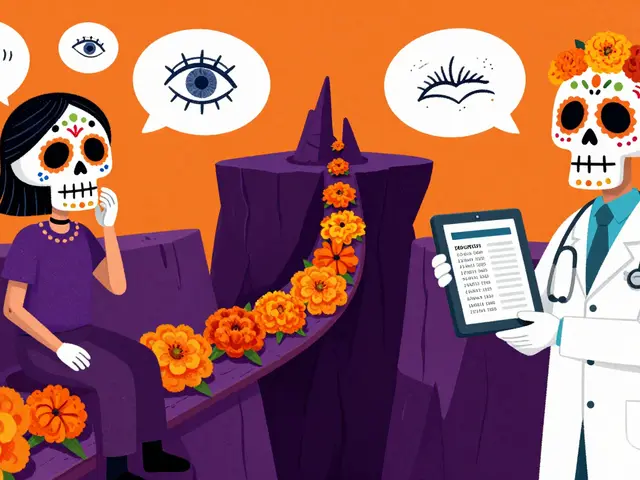
Many women find relief from menopause symptoms with menopause hormone therapy, but side effects can be tricky. For instance, vaginal bleeding occurs in 30-50% of users during the first six months. Don't panic-it's often temporary. Let's break down what to expect and how to handle it.
What is Hormone Therapy for Menopause?
Hormone Replacement Therapy (HRT) is a treatment that replaces hormones the body stops producing during menopause. It's primarily used to manage symptoms like hot flashes, night sweats, and vaginal dryness. The FDA states that HRT includes estrogen-only or combination estrogen-progestin therapy.
Estrogen-only therapy is for women who've had a hysterectomy, while combination therapy (estrogen plus progestin) is for those with an intact uterus to prevent endometrial cancer. Delivery methods vary: pills, patches, gels, vaginal creams, or rings. Each has different absorption rates and side effect profiles.
Common Side Effects You Might Experience
Side effects from HRT are common but often temporary. Here's what most women report:
- Vaginal bleeding or spotting (30-50% of users, usually stops within 6 months)
- Breast tenderness (20-30% of users)
- Bloating or fluid retention (15-25% of users)
- Headaches (10-20% of users)
- Mood swings or irritability (20-25% of users)
The National Health Service (NHS) notes these symptoms typically improve after 3 months. If they persist, adjusting your treatment may help.
Factors That Influence Your Risk
Your personal health history and age dramatically change how HRT affects you. For example:
- Starting HRT after age 60 or more than 10 years after menopause raises cardiovascular risks by 24%
- Women with a history of blood clots, stroke, or breast cancer should avoid systemic HRT entirely
- Transdermal patches (applied to skin) have a 30-40% lower blood clot risk than oral pills
The FDA warns that HRT can increase breast cancer risk from 30 to 38 cases per 10,000 women after 5 years of use. But for healthy women under 60, the benefits often outweigh the risks when used short-term for symptom relief.

Comparison of Delivery Methods
| Delivery Method | Common Side Effects | Blood Clot Risk | Best For |
|---|---|---|---|
| Oral Pills | Stomach upset, nausea | Higher risk | Women who prefer convenience |
| Transdermal Patches | Skin irritation | 30-40% lower risk | Those with stomach issues |
| Vaginal Creams/Rings | Local irritation | Lowest systemic risk | Primarily for vaginal symptoms |
Non-Hormonal Alternatives to Consider
If HRT isn't right for you, several effective non-hormonal options exist:
- SSRIs like escitalopram reduce hot flashes by 50-60% in most users
- Vaginal moisturizers (e.g., Replens) help dryness without hormones
- DHEA vaginal inserts improve sexual pain in 70% of users
- Gabapentin cuts hot flashes by 45% for those who can't take hormones
The American College of Obstetricians and Gynecologists (ACOG) cautions that herbal supplements like black cohosh show inconsistent results. Only 4 out of 12 studies found it helpful for hot flashes.

How to Manage Side Effects Effectively
Most side effects can be managed with simple adjustments:
- Switching from pills to patches reduces gastrointestinal issues by 60% (per a 2022 BJOG study)
- Lowering estrogen doses often resolves breast tenderness without losing symptom control
- Using vaginal creams only for dryness avoids systemic side effects
- Taking HRT at bedtime minimizes nausea and mood swings
According to a 2021 Menopause journal study, 68% of women achieve symptom control through dose modifications. Never stop HRT suddenly-work with your doctor to taper safely.
When to Call Your Doctor
Some side effects need immediate attention. Contact your doctor if you experience:
- Chest pain or shortness of breath (possible heart attack or blood clot)
- Sudden severe headache or vision changes (possible stroke)
- Unusual vaginal bleeding after 6 months of treatment
- Yellowing of skin or eyes (sign of liver problems)
The FDA reports that serious side effects like blood clots occur in 3-7 per 10,000 women annually. But these are rare-most side effects are mild and manageable.
How long do HRT side effects last?
Most side effects improve within 3 months as your body adjusts. Vaginal bleeding typically stops after 6 months. If symptoms persist beyond this timeframe, talk to your doctor about adjusting your dose or delivery method. A 2022 study showed 55% of patients find relief by changing their dose alone.
Can I switch from pills to patches?
Yes! Switching from oral pills to transdermal patches reduces gastrointestinal side effects by 60% and lowers blood clot risk by 30-40%. This is especially helpful for women with stomach issues or higher clotting risks. Many doctors recommend patches as a first-line option for women with risk factors.
Are non-hormonal options as effective as HRT?
For hot flashes, SSRIs and gabapentin reduce symptoms by 50-60% and 45% respectively-comparable to low-dose HRT. Vaginal moisturizers work just as well as estrogen creams for dryness. However, HRT remains the most effective treatment for severe symptoms like night sweats and bone loss. Your doctor can help weigh the pros and cons based on your specific symptoms and health history.
What's the safest HRT option for someone with a family history of breast cancer?
Avoid systemic HRT if you have a family history of breast cancer. Instead, use low-dose vaginal estrogen (creams or rings) for localized symptoms. These deliver minimal hormone absorption into the bloodstream. For hot flashes, non-hormonal options like SSRIs or gabapentin are safer. Always discuss your family history with your doctor before starting any treatment.
How does age affect HRT risks?
Starting HRT before age 60 or within 10 years of menopause significantly lowers risks. For women who begin therapy early, the risk of heart disease is actually reduced by 30% compared to starting later. However, starting after 60 increases stroke risk by 41% and blood clot risk by 113%. Age is one of the biggest factors in determining whether HRT's benefits outweigh its risks for you.




15 Comments
Cullen Bausman February 5, 2026
Menopause hormone therapy is a dangerous practice.
It is not safe.
The FDA is corrupt.
Big Pharma profits.
Women's health is compromised.
Natural remedies are better.
America must lead in health innovation.
Stop trusting foreign medical advice.
The risks are too high.
This is a national crisis.
We need better solutions.
This is not a joke.
Women must know the truth.
The government is pushing this for profit.
End of story.
Cole Streeper February 7, 2026
This is exactly what I thought.
HRT is part of a government conspiracy.
They want to control women.
I've seen the documents.
It's all fake.
The bleeding is a sign.
They're poisoning us.
Wake up people.
This is a plot.
We need to expose them.
The truth is out there.
Trust me.
I know what I'm talking about.
This is why we need to take action now.
Dina Santorelli February 8, 2026
30-50% bleeding? That's insane.
They say 'don't panic' but it's not temporary for everyone.
My doctor ignored my symptoms.
I'm terrified.
This is why I don't trust medicine.
It's a scam.
Women are being lied to.
This is dangerous.
I want to scream.
No one cares.
Arjun Paul February 10, 2026
HRT is dangerous.
divya shetty February 12, 2026
The article is misleading.
HRT is not safe for Indian women.
Our bodies are different.
You should avoid it.
The FDA guidelines are for Americans only.
We need local research.
Indian women have different health needs.
This is why I am concerned.
You should consult an Ayurvedic doctor.
This is not a one-size-fits-all solution.
The risks are too high.
Nancy Maneely February 14, 2026
HRT is a total scam!
FDA is in cahoots with pharma.
Bleeding? More like 'bleeding out' their wallets.
Women get screwed.
This is why I'm a patriot and avoid meds.
They're lying to us.
It's all about money.
Don't trust them.
I've seen the truth.
This is a disaster.
We need to fight back.
Georgeana Chantie February 14, 2026
HRT is a foreign idea.
We need American solutions.
😠 But I'm not against it.
Maybe try natural stuff first.
The FDA is wrong.
We should have our own standards.
America first.
This is why I'm against foreign meds.
Trust me.
I know best.
😊
Albert Lua February 14, 2026
In India, they use Ayurveda for menopause.
It's safer.
HRT is a Western thing.
We should learn from other cultures.
Different countries have different approaches.
It's important to respect that.
Natural remedies work better for many.
I've seen it firsthand.
This is why I prefer traditional medicine.
It's all about balance.
We need to share knowledge.
Global health is key.
Phoebe Norman February 16, 2026
HRT side effects are multifactorial.
Estrogen-progestin combination increases thrombotic events.
Systemic absorption varies by delivery method.
The data shows higher risk with oral pills.
Vaginal creams are safer.
But individual risk factors matter.
The FDA should update guidelines.
This is critical for patient safety.
We need more research.
It's not simple.
This is complex.
The stakes are high.
Katharine Meiler February 17, 2026
Based on current guidelines, transdermal patches reduce clot risk significantly.
However, individual risk factors must be considered.
A personalized approach is key.
The evidence supports this.
It's important to consult with healthcare providers.
Each case is unique.
This is the best practice.
We should focus on tailored treatments.
It's not one-size-fits-all.
The data is clear.
This is the right approach.
Andre Shaw February 19, 2026
HRT is not dangerous!
The article is wrong.
It's actually safe.
The real problem is that people don't know how to use it properly.
I've read all the studies.
It's fine.
You're all wrong.
This is why I'm here to educate you.
Trust me.
I know best.
The evidence is clear.
Stop being paranoid.
This is common sense.
Thorben Westerhuys February 20, 2026
Oh my goodness, the bleeding... it's so scary!
I had it for months.
And the doctors just say 'it's normal' but it's not!
They don't care.
I feel so alone.
This is terrible!
The side effects are so bad.
I can't take it anymore.
My doctor doesn't listen.
This is a nightmare.
I want to cry.
This is why I'm so upset.
It's unfair.
This is so hard.
Danielle Vila February 22, 2026
HRT is part of the shadowy medical-industrial complex.
They want us hooked on pills.
But I found a secret study that says it's all fake.
The real cause is Big Pharma's greed.
They're poisoning women.
Wake up!
This is a conspiracy.
The government is in on it.
We need to expose them.
Trust me.
I know the truth.
This is why I'm speaking out.
It's all a lie.
Don't be fooled.
Joyce cuypers February 23, 2026
HRT can be hard but there are ways to manage.
I had issues too.
Switching to patches helped.
Don't give up.
You're strong!
It's okay to feel scared.
Talk to your doctor.
There are options.
You're not alone.
This is manageable.
Stay positive.
It gets better.
I believe in you.
Keep going.
You've got this.
Brendan Ferguson February 23, 2026
HRT has risks but for many, the benefits outweigh them.
It's important to talk to your doctor.
Every case is different.
Don't panic.
There are safe options.
Transdermal patches are lower risk.
Non-hormonal alternatives exist.
Work with your healthcare provider.
You're not alone.
This is manageable.
Let's focus on solutions.
We can find what works for you.
Stay informed.
It's all about balance.