
When a drug doesn’t work the way it should—or causes harm instead—medication errors, mistakes in prescribing, dispensing, or taking medicines that lead to patient harm. Also known as drug errors, these aren’t just rare accidents. They’re a silent crisis in healthcare, affecting millions every year, often because of small oversights that add up. Think of it this way: you take your pill at the right time, but your doctor didn’t know you’re on another drug that cancels it out. Or your pharmacy swapped your brand medicine for a generic, and your body reacted badly. These aren’t hypotheticals—they happen daily, and they’re often avoidable.
Drug interactions, when two or more medications affect each other’s performance in the body are one of the biggest culprits. Proton pump inhibitors can block antifungals from working. Turmeric supplements can turn blood thinners into dangerous tools. Even something as simple as vitamin D, which so many people take for muscle health, doesn’t actually stop statin pain—despite what you’ve heard. Then there’s generic drugs, lower-cost versions of brand-name medicines that aren’t always interchangeable. For drugs like phenytoin, which has a razor-thin safety margin, switching generics can spike toxicity levels and land you in the hospital. It’s not about quality—it’s about how your body absorbs and processes each version.
Seniors are especially vulnerable. Therapeutic drug monitoring, the process of measuring drug levels in the blood to ensure they’re safe and effective is often skipped for older adults, even though they’re on more meds than anyone else. Drugs that cause dizziness, low blood pressure, or confusion—like antipsychotics or certain painkillers—can turn a simple walk into a fall. And when long-term care insurance doesn’t cover the drugs your loved one needs, the pressure to cut corners grows. These aren’t just medical issues—they’re systemic ones.
You don’t need to be a doctor to spot red flags. Ask: Is this the same drug I’ve taken before? Did my dose change? Am I taking something new that might clash? Did my pharmacy switch brands? Keep a list. Talk to your pharmacist. Don’t assume generics are always safe swaps. And if you’re caring for an older adult, review every pill on their nightstand—not just the prescriptions, but the supplements and OTC meds too. The goal isn’t to scare you—it’s to arm you with simple, practical steps that stop errors before they start.
Below, you’ll find real cases—like how tramadol can trigger seizures, why citalopram can flip bipolar disorder into mania, and what blood pressure drugs actually increase fall risk. These aren’t theory. They’re stories from people who lived through them. And the solutions? They’re just as real.
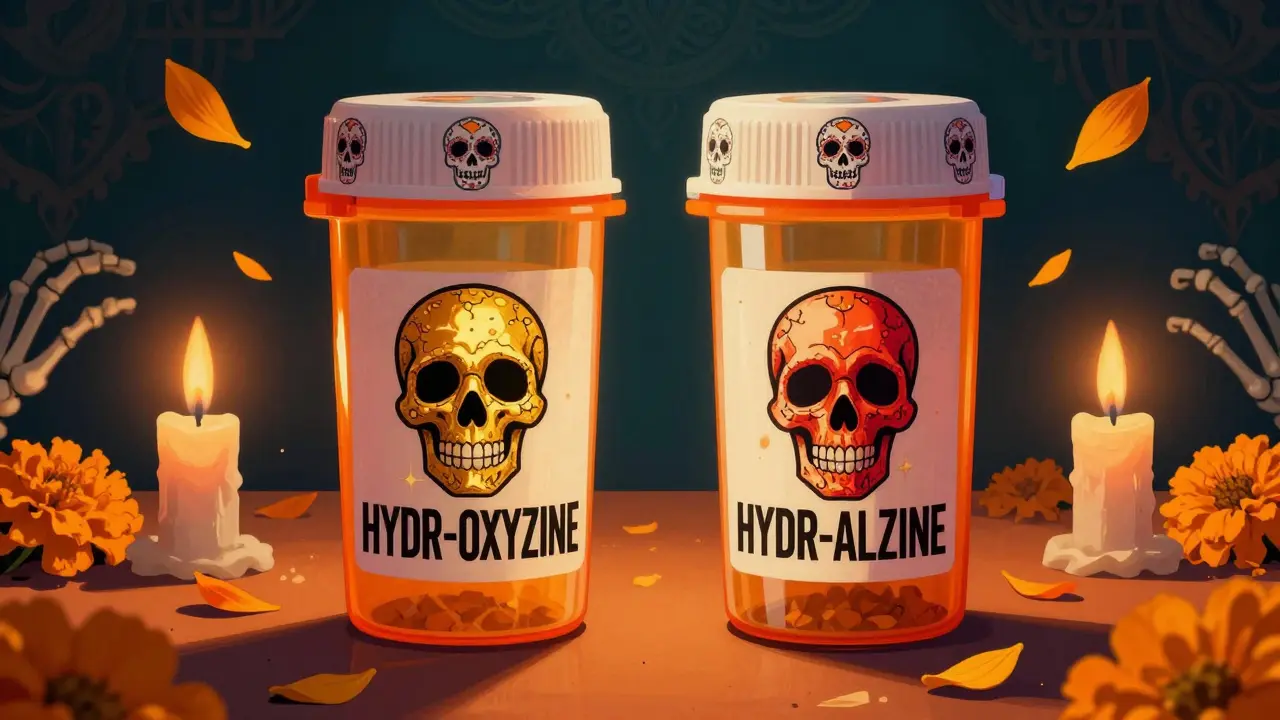
Learn how to spot look-alike drug names on prescription labels to prevent dangerous medication errors. Discover tall man lettering, system safeguards, and practical steps to protect yourself or others.
Read more
Using two patient identifiers in the pharmacy prevents deadly medication errors by ensuring the right person gets the right drug. Learn how this simple rule, backed by science and regulation, saves lives-and why skipping it is never worth the risk.
Read more
Learn how to verify your prescription at the pharmacy with a simple 7-step checklist to prevent dangerous medication errors. Protect yourself with facts, not assumptions.
Read more