
More than 96 million Americans have prediabetes. Most don’t even know it. That’s not because they’re not getting checked-it’s because the symptoms are invisible. No tingling feet. No constant thirst. No blurry vision. Just slightly higher blood sugar, quietly creeping up until one day, it’s too late. But here’s the good news: prediabetes reversal isn’t just possible. It’s common. And it doesn’t require pills, surgery, or starvation.
What Prediabetes Really Means
Prediabetes isn’t a warning label. It’s a red flag you can still turn off. Your blood sugar is higher than normal, but not high enough to be called type 2 diabetes. The numbers? Fasting glucose between 100 and 125 mg/dL, HbA1c between 5.7% and 6.4%, or a 2-hour glucose level of 140-199 mg/dL after a sugar load. These aren’t random numbers. They’re your body screaming that insulin isn’t working like it should.
Insulin resistance is the root cause. When you eat, your body releases insulin to shuttle sugar into cells for energy. But over time, too much sugar and too much fat-especially around your belly-makes your cells ignore insulin. So sugar stays in your blood. That’s prediabetes. Left unchecked, about half of people with it will develop type 2 diabetes within five years. But here’s the key: that’s not destiny. It’s a choice you can reverse.
The Only Proven Way to Reverse It
Doctors, researchers, and health agencies all agree: lifestyle change is the most powerful tool you have. Not metformin. Not weight-loss drugs. Not supplements. Lifestyle change-real, sustainable changes in how you eat and move-is what reverses prediabetes in the long term.
A 2023 review of dozens of studies found that people who made lifestyle changes were 18% more likely to get their blood sugar back to normal than those who did nothing. For every six people who stuck with it, one reversed their prediabetes. That’s better than any drug trial. The CDC’s National Diabetes Prevention Program, which has helped over 1.6 million people since 2012, shows that losing just 5% to 7% of your body weight and getting 150 minutes of walking or similar activity per week cuts your diabetes risk by 58%.
And here’s something most people don’t know: you don’t even need to lose weight to reverse it. A 2022 study in Nature Medicine found that people who normalized their blood sugar without losing any weight still cut their future diabetes risk by 70% over 10 years. Why? Because they lost visceral fat-the deep belly fat that wraps around your liver and pancreas. That’s the fat that messes with insulin. You can shrink that fat without shrinking your scale number.
What to Eat (And What to Avoid)
You don’t need a fancy diet. You need to stop feeding your insulin resistance.
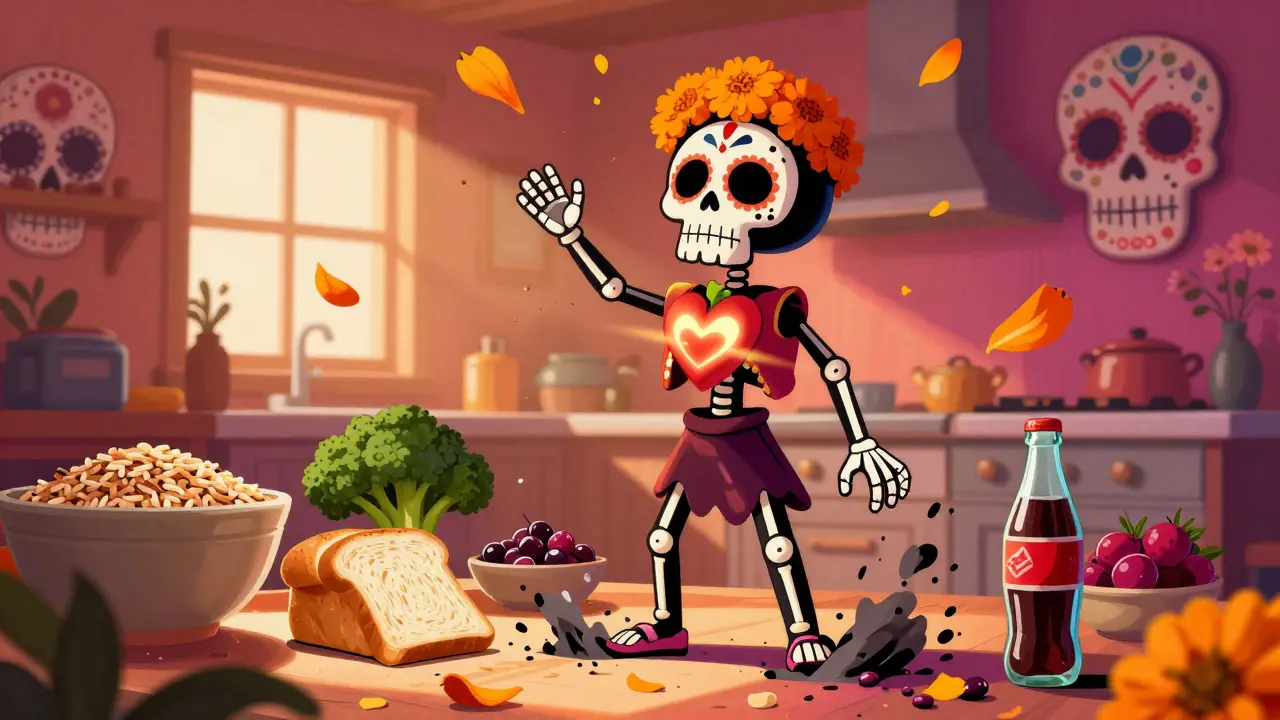
- Swap white stuff for real stuff: White rice, white bread, white pasta-these are sugar in disguise. They spike your blood sugar fast. Replace them with brown rice, quinoa, farro, oats, and barley. Whole grains mean slower digestion, steadier blood sugar.
- Fill half your plate with color: Broccoli, spinach, peppers, carrots, kale, Brussels sprouts. Non-starchy vegetables are low in carbs and high in fiber. They fill you up without spiking sugar. If your plate looks beige, it’s probably not helping.
- Ditch sugary drinks: Soda, sweet tea, energy drinks, even fruit juice. One 12-ounce can of soda has 39 grams of sugar-that’s more than your body can handle in one go. Water, unsweetened tea, or sparkling water with lemon are your new best friends.
- Reduce processed meat: Bacon, sausage, deli meats, hot dogs. These are packed with preservatives and saturated fat that worsen insulin resistance. Choose chicken, fish, tofu, beans, or lentils instead.
- Eat more fiber: Beans, lentils, chickpeas, berries, apples, chia seeds. Fiber slows sugar absorption and feeds good gut bacteria. Aim for 25-30 grams a day. Most people get less than half that.
There’s no single "best" diet for prediabetes. Some do well with low-carb. Others thrive on plant-based. The goal isn’t perfection-it’s consistency. Pick one change. Stick with it for two weeks. Then add another.
Move More-But Not Like You’re Training for a Marathon
You don’t need to run 5Ks or lift heavy weights. You need to move more often.
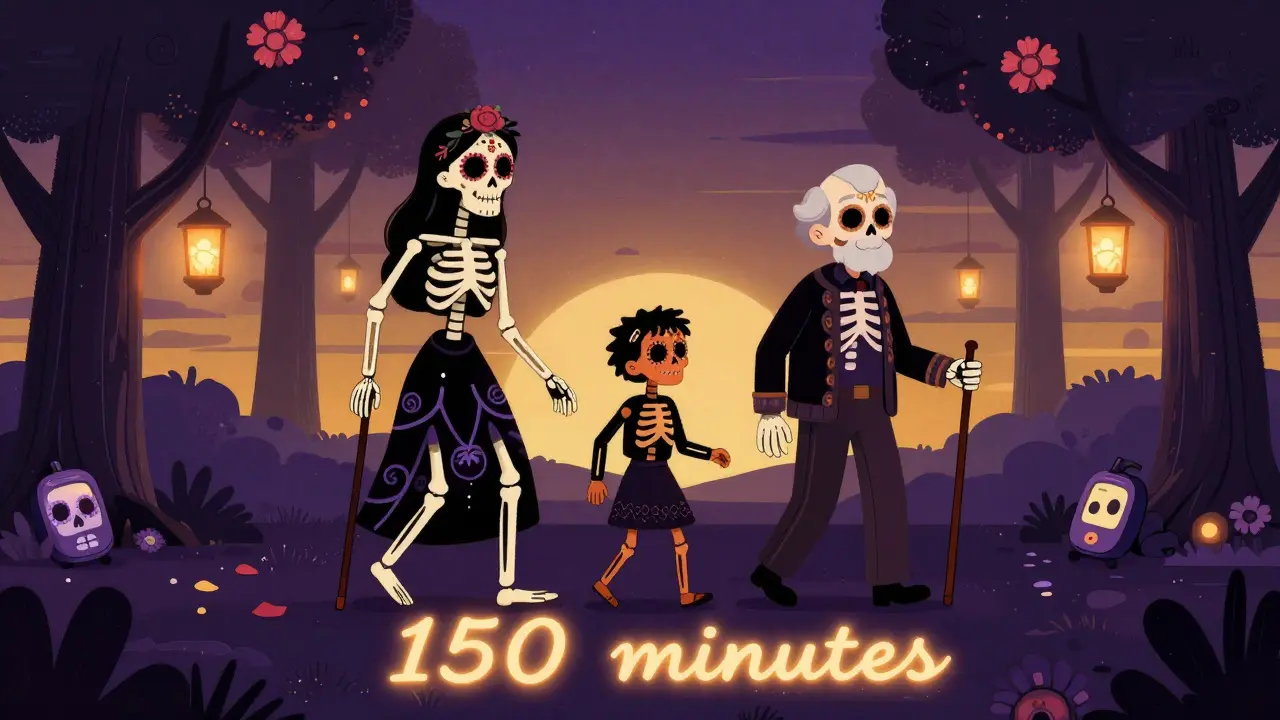
The CDC recommends 150 minutes a week of moderate activity. That’s 30 minutes, five days a week. But here’s the trick: break it up. Three 10-minute walks after meals are better than one 30-minute walk. Why? Because moving after eating helps your muscles pull sugar out of your blood-right when it’s highest.
Walking is the most effective, easiest, and cheapest option. But if you hate walking, try dancing, gardening, swimming, cycling, or even cleaning the house. The goal isn’t to burn calories. It’s to make your muscles work. Muscles are sugar sponges. The more you use them, the less sugar stays in your blood.
And don’t forget to move throughout the day. Sit less. Stand up every 30 minutes. Take the stairs. Park farther away. These tiny movements add up. One study found that people who stood for 2 hours a day instead of sitting had better insulin sensitivity-even without losing weight.
Why Sleep and Stress Matter
Here’s something most programs skip: your brain and your blood sugar are connected.
If you’re not sleeping well, your body makes more cortisol-the stress hormone. Cortisol tells your liver to dump sugar into your blood. That raises your fasting glucose. Poor sleep also makes you hungrier, especially for carbs and sugar. Aim for 7-8 hours a night. If you have trouble sleeping, try cutting caffeine after 2 p.m., avoiding screens an hour before bed, or taking a warm shower before sleep.
Chronic stress does the same thing. When you’re constantly wired, your body thinks it’s under attack. It holds onto sugar. Meditation, deep breathing, journaling, or even 10 minutes of quiet time each day can lower cortisol and help your body respond better to insulin.

What Works for Different People
One size doesn’t fit all. If you’re over 50, lifestyle changes work even better. Studies show older adults have the highest reversal rates. That’s because insulin resistance builds slowly over time-and reversing it takes time, too.
For parents, making changes as a family helps. Swap out sugary cereals for oatmeal. Take walks after dinner. Let kids pick out colorful veggies at the store. Kids learn by watching. If you eat better and move more, they will too.
For people who’ve tried diets before and failed, focus on habits, not numbers. Don’t count calories. Don’t track macros. Just ask yourself: Did I eat mostly real food today? Did I move for at least 30 minutes? Did I sleep well? If the answer is yes, you’re winning.
When to Get Help
You don’t have to do this alone. The CDC’s National Diabetes Prevention Program offers free or low-cost coaching through community centers, hospitals, or online platforms. Many insurance plans, including Medicare, cover it. These programs give you a trained coach, weekly lessons, and peer support for a full year. Participants lose an average of 5.6% of their body weight and cut their diabetes risk by more than half.
See your doctor. Ask for an HbA1c test if you haven’t had one in the last year. If you’re overweight, have high blood pressure, or have a family history of diabetes, you’re at higher risk. Get tested. Don’t wait for symptoms.
And if you’re thinking about medication-like metformin-talk to your doctor. It can help, especially if you’re at very high risk. But it’s not a replacement for lifestyle change. It’s a backup. The goal is to never need it.
It’s Not About Perfection. It’s About Progress
You won’t reverse prediabetes overnight. But you don’t need to. One healthy meal. One walk. One night of good sleep. That’s enough. Do it again tomorrow. And the next day. And the next.
People who stick with lifestyle changes for three years or more cut their diabetes risk by up to 70%. That’s not luck. That’s biology. Your body remembers what you feed it. It remembers how you move. It remembers how you sleep.
Prediabetes isn’t a life sentence. It’s a second chance. And the best part? You don’t have to be perfect to win. Just consistent.



10 Comments
Sue Stone January 23, 2026
just started walking after dinner and my fasting glucose dropped 15 points in 3 weeks. no magic, just movement.
dana torgersen January 25, 2026
so… like… prediabetes isn’t even a disease?? it’s just… your body saying ‘hey, maybe stop eating donuts every morning??’?? i mean, i get it, but why do we make it sound like a medical emergency when it’s basically just… bad habits??
Vanessa Barber January 26, 2026
the ‘lose 5-7% of body weight’ thing is such a scam. i reversed mine without losing an ounce. my waist shrunk, my liver fat dropped, but the scale? stayed the same. they’re selling weight loss, not metabolic health.
Sallie Jane Barnes January 26, 2026
if you’re reading this and you’re scared-stop. you’re not broken. you’re not failing. you’re just learning. one walk, one vegetable, one night of sleep-that’s your win today. keep going. you’ve got this.
Oladeji Omobolaji January 27, 2026
in nigeria, we don’t have prediabetes-we have ‘too much garri and too little walking.’ same problem, different name. i started swapping garri for roasted plantain and now my cousin asks me for advice. small changes, big ripple.
Janet King January 28, 2026
the CDC program is free and covered by most insurance. call your local health department. they will help you. no cost. no pressure. just support. this is real.
Kerry Evans January 29, 2026
everyone ignores the real cause: sugar industry lobbying. metformin should be prescribed to everyone over 40. it’s cheaper than your coffee habit. stop pretending lifestyle changes are enough when the system is rigged.
Stacy Thomes January 31, 2026
i was skeptical. then i swapped soda for sparkling water with lemon. two weeks later, my afternoon crashes vanished. i didn’t even try. it just happened. sometimes the simplest things are the most powerful.
Andrew Smirnykh February 1, 2026
the sleep part is everything. i used to think ‘i’ll sleep when i’m dead.’ then i started turning off screens at 10 and now my morning glucose is 15 points lower. no one talks about this enough.
Laura Rice February 2, 2026
to anyone who says ‘i can’t change’-you don’t have to change everything. just change one thing. today. just one. then tomorrow, change another. you’re not failing. you’re becoming. and that’s enough. i believe in you.