
Visual tools help patients understand generic medications. Learn how FDA infographics explain safety and cost savings to improve health outcomes.
Read more
Improving adherence for inhalers, patches, and injectables isn't about willpower - it's about matching the right strategy to your life. Learn what actually works, from simple habits to smart tech, and how to cut through the confusion.
Read more
Meglitinides like repaglinide and nateglinide help control blood sugar after meals but carry a high risk of hypoglycemia if meals are skipped. This article explains how these drugs work, who should use them, and how to stay safe.
Read more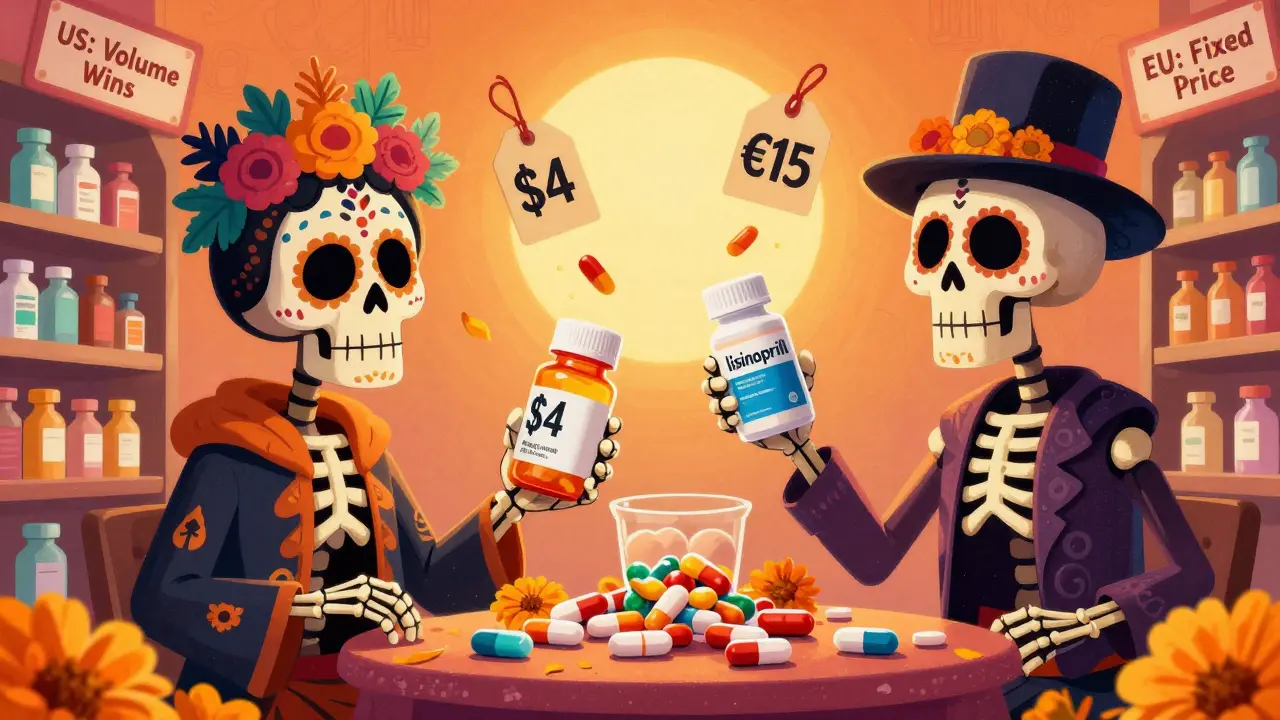
Americans pay less for generic drugs than Europeans due to fierce market competition, automatic substitution, and high volume. Meanwhile, the US pays far more for brand-name drugs, funding global drug innovation. The systems are built differently - and both have trade-offs.
Read more
Learn how pharmacies must check for drug recall notifications using FDA alerts, wholesaler systems, and automated software to protect patients and stay compliant. Know the classes, verify lot numbers, notify patients, and document everything.
Read more
Learn the key differences between ischemic and hemorrhagic strokes, how their symptoms and treatments vary, and evidence-based prevention strategies that can cut your risk by up to 70%.
Read more
Branded combo drugs often cost 10x more than buying the same ingredients as separate generics. Learn how Medicare overpaid $925 million in one year-and what you can do to save hundreds monthly.
Read more
Narrative medicine uses personal stories to help patients accept diagnoses and treatments. By listening deeply, providers build trust, reduce stigma, and improve adherence - especially for generic medications that patients wrongly see as inferior.
Read more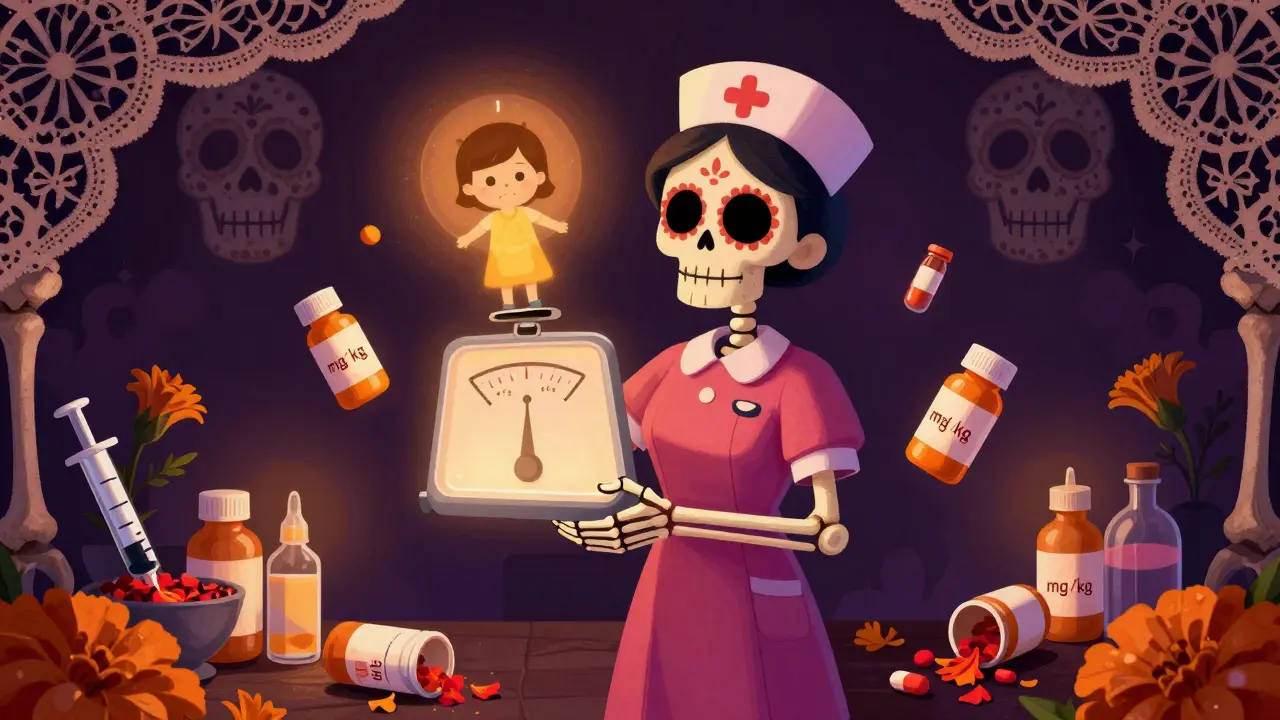
Weight-based dosing is the gold standard for pediatric medications, preventing dangerous errors by calculating doses in mg/kg. Learn how to convert pounds to kilograms, avoid common mistakes, and ensure your child gets the right amount every time.
Read more
Switching to generic drugs is usually safe - but not always. Learn the key warning signs that mean you should call your doctor, which medications carry the highest risk, and what steps to take if you feel worse after the switch.
Read more